
In our previous article, “The Unsung Heroes: How Enzymes Power Your Body and Drive Digestion”, we explored the vital roles of enzymes beyond just digestion and how crucial they are for breaking down food. Now, let’s deepen our understanding by contrasting these workhorses with another popular category of gut health supporters: prebiotics and probiotics. Knowing the distinct functions of each will empower you to make informed decisions for your digestive health.
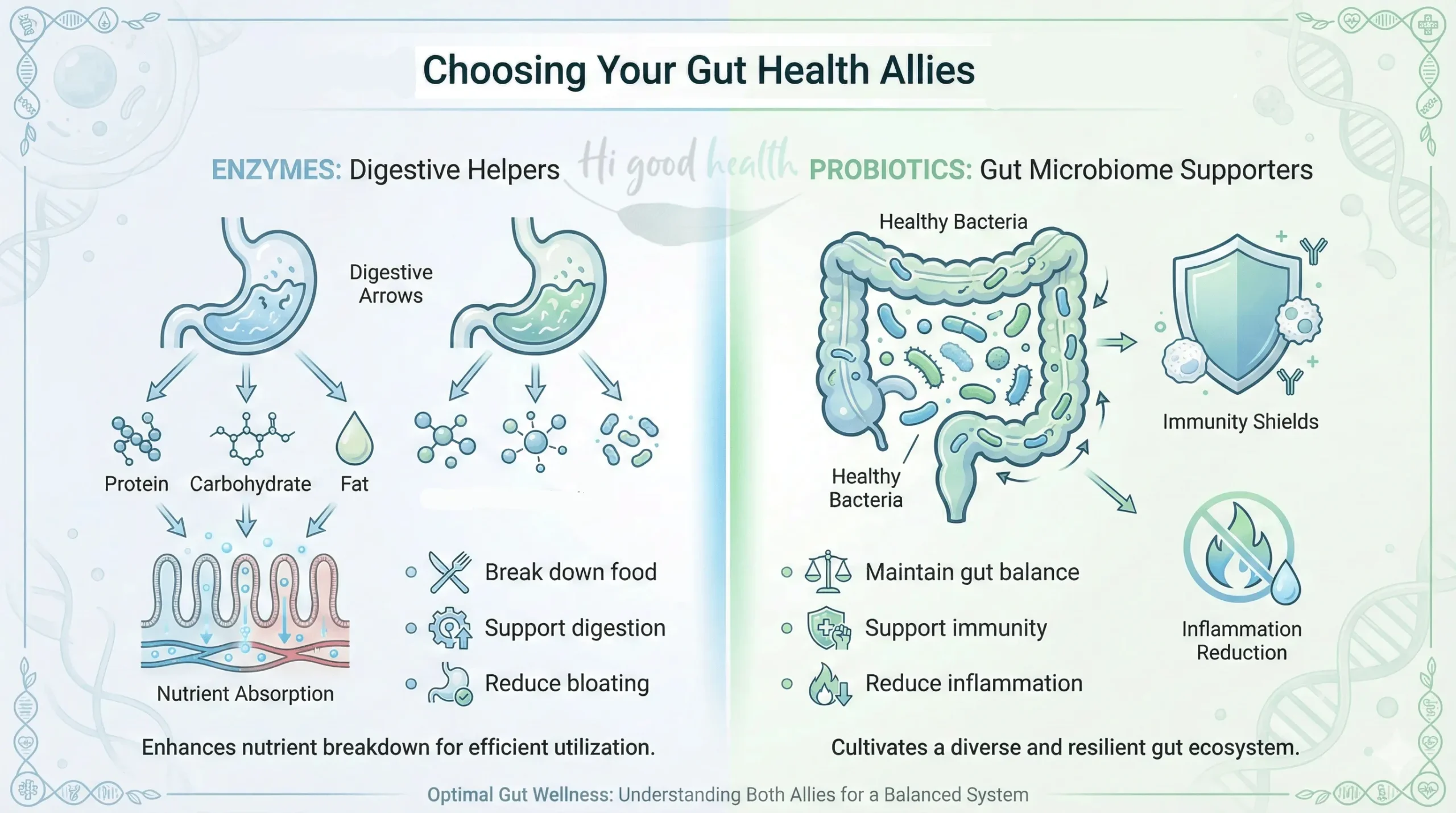
Understanding the Key Differences: Enzymes, Prebiotics, and Probiotics
While all three contribute to a healthy digestive system, they operate in fundamentally different ways:
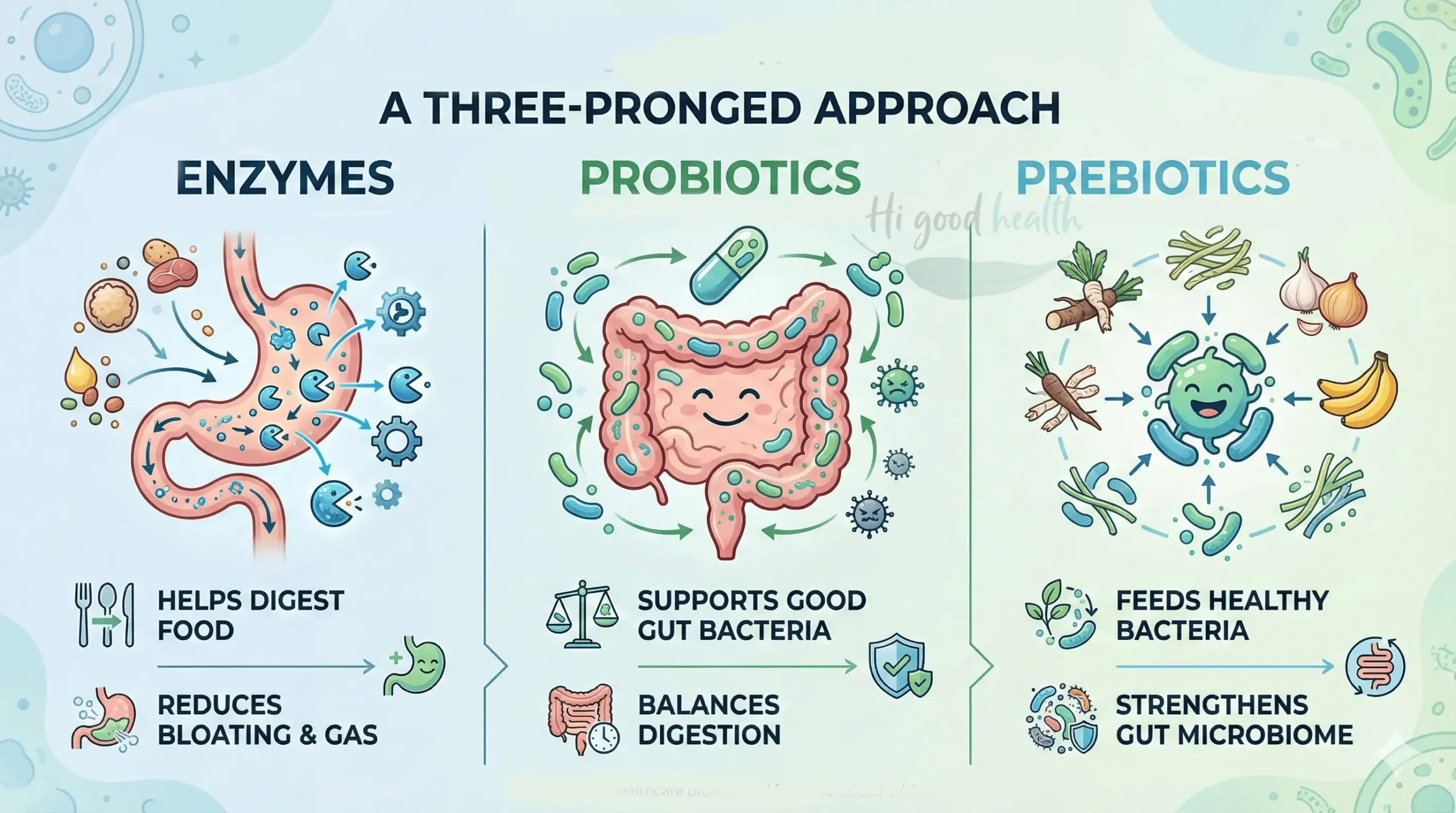
- Digestive Enzymes: As we discussed, these are proteins that chemically break down food molecules (carbohydrates, fats, proteins) into smaller, absorbable units. They are the “workforce” directly involved in the breakdown process.
- Probiotics: These are beneficial living microorganisms (like bacteria and yeasts) that reside in your gut. They contribute to a healthy gut microbiome, influencing everything from digestion and nutrient absorption to immune function and even mood. They don’t break down food directly but create a balanced environment where digestion can thrive.
- Prebiotics: These are non-digestible fibers that act as “food” for the beneficial probiotic bacteria in your gut. By selectively feeding the good bacteria, prebiotics help them multiply and flourish, supporting a robust and diverse gut microbiome.
Think of it as a garden: enzymes are the tools that break down compost, probiotics are the beneficial plants, and prebiotics are the fertilizer.
Man-made Supplements to Address Enzyme Deficiency: Success and Studies
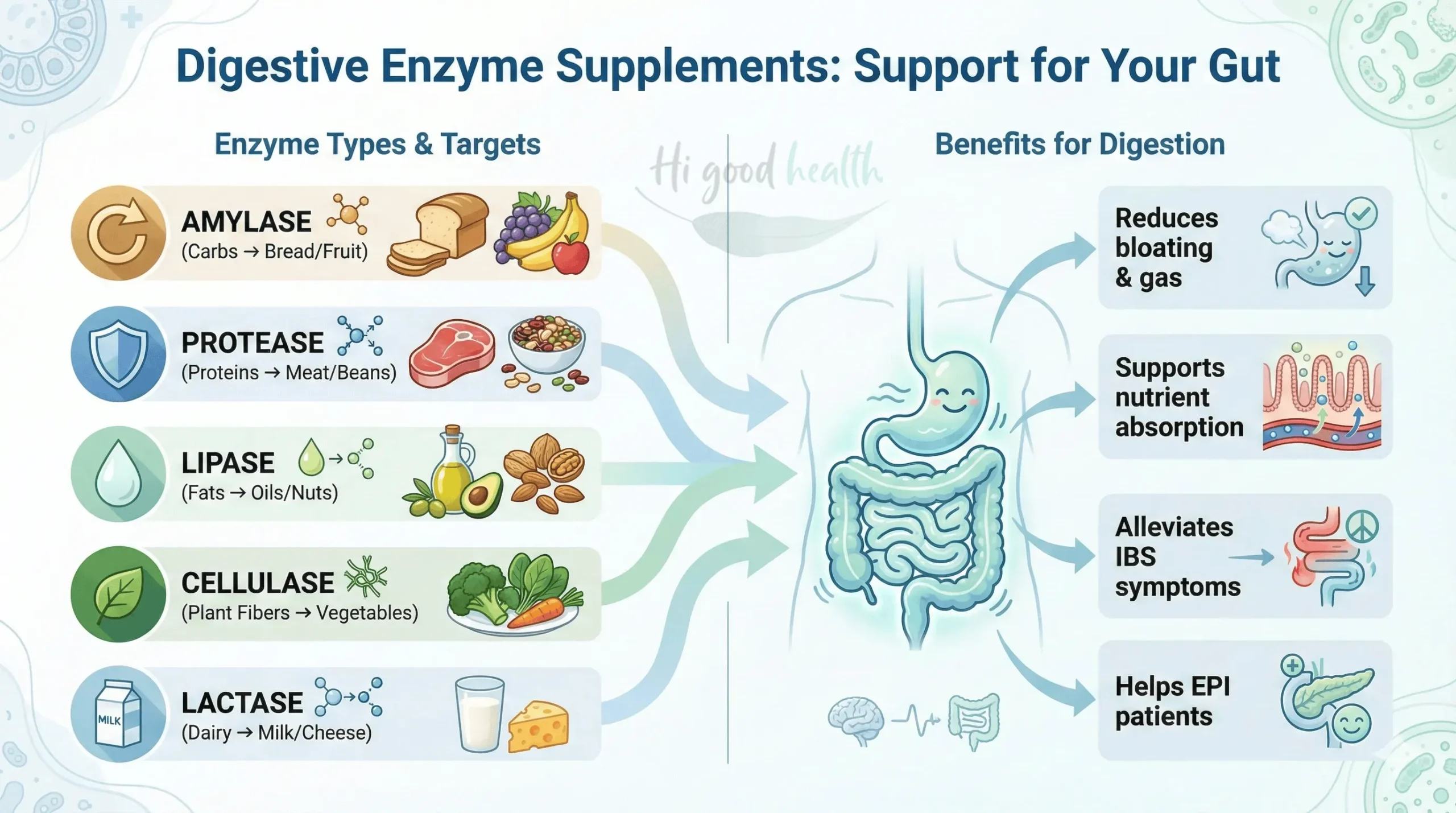
For individuals with identified enzyme deficiencies or persistent digestive issues, digestive enzyme supplements are widely available and can be highly effective. These supplements typically contain a blend of enzymes such as amylase (for carbohydrates), protease (for proteins), lipase (for fats), cellulase (for plant fibers), and lactase (for dairy). They work by directly providing the enzymes your body might be lacking, thereby assisting in the crucial breakdown of food.
Their success is particularly well-documented for conditions like Exocrine Pancreatic Insufficiency (EPI), where the pancreas doesn’t produce enough enzymes. For these cases, prescription pancreatic enzyme replacement therapy (PERT) is life-saving, with numerous clinical studies demonstrating improved nutrient absorption and reduced symptoms. For milder, non-clinical digestive discomfort, over-the-counter enzyme supplements can also significantly reduce symptoms like bloating, gas, and indigestion. A 2016 review published in the Journal of Clinical Gastroenterology underscored the utility of various digestive enzyme supplements in alleviating maldigestion symptoms. Further, research in Digestive Diseases and Sciences in 2020 indicated that a multi-enzyme supplement could improve symptoms of Irritable Bowel Syndrome (IBS) characterized by predominant bloating. When considering these supplements, always choose reputable brands and consult with a healthcare professional to determine the right type and dosage for your specific needs.
How to Decide: Prebiotics, Probiotics, or Enzymes for Digestive Issues?
Choosing the appropriate supplement depends on the underlying cause of your digestive issues. Here’s a general guideline:
- Consider Digestive Enzymes if: You experience immediate post-meal discomfort such as bloating, gas, a feeling of fullness, or notice undigested food in your stool. These symptoms suggest a primary issue with breaking down food. Enzymes are especially helpful for older adults, those with specific pancreatic concerns, or difficulties digesting particular macronutrients.
- Opt for Probiotics if: You suffer from irregular bowel movements (constipation or diarrhea), frequent infections, or other indicators of an imbalanced gut microbiome (dysbiosis). Probiotics help replenish beneficial bacteria, strengthen the gut barrier, and support overall gut health. They are also commonly recommended after antibiotic use. [Link to your article on gut microbiome balance]
- Incorporate Prebiotics if: You are taking probiotics or wish to naturally foster the growth of your existing healthy gut bacteria. Prebiotics provide the necessary nourishment for these beneficial bacteria to thrive, supporting a robust and diverse gut microbiome.
Often, digestive issues are complex, and a synergistic approach combining enzymes, probiotics, and/or prebiotics might be most effective. The best course of action is always to consult with a healthcare professional who can help identify the root cause of your symptoms and recommend a personalized strategy.
Vegetarian and Vegan Supplements: Efficacy and US Brand Suggestions
The market for vegetarian and vegan digestive enzyme supplements in the US has expanded considerably, offering numerous plant-based options. Many of these enzymes are derived from fungal sources (e.g., Aspergillus oryzae or niger), or come from fruits like pineapple (bromelain) and papaya (papain). These plant-derived enzymes are highly effective at breaking down proteins, fats, and carbohydrates, and often demonstrate efficacy across a broader pH range, allowing them to function optimally throughout the digestive tract. The inclusion of cellulase, an enzyme vital for breaking down plant fibers (which our bodies do not naturally produce), makes them particularly beneficial for those following high-fiber vegan diets.
Effectiveness: Yes, plant-based and fungal-derived enzymes are very effective. Studies have shown they can significantly aid digestion and alleviate symptoms of maldigestion. Bromelain and papain, for instance, have well-established proteolytic (protein-digesting) properties, while fungal amylase and lipase efficiently break down starches and fats.
Suggestions for Good Brands Available in the US (always check for “vegan” or “vegetarian” certification):
- Enzymedica Digest Gold: A top-tier brand, widely respected for its high-potency, broad-spectrum enzyme blends, primarily derived from fungal sources. They are known for their commitment to efficacy.
- NOW Foods Plant Enzymes: A popular and affordable choice, offering a comprehensive blend of plant-derived enzymes suitable for daily use.
- Garden of Life Raw Enzymes: This brand focuses on raw, whole food ingredients and offers various formulations (e.g., specific for men, women, or age groups), emphasizing high enzyme activity.
- Doctor’s Best Best Digestive Enzymes: A well-regarded option providing a broad spectrum of plant-based enzymes, often praised for its value and effectiveness.
- Pure Encapsulations Digestive Enzymes Ultra: A professional-grade brand often recommended by healthcare practitioners, known for its hypoallergenic and highly bioavailable formulations.
When selecting a supplement, look for: broad-spectrum blends (containing enzymes for proteins, fats, and carbohydrates), clearly stated activity units (enzymes are measured by activity, not just milligrams), and indications of third-party testing for purity and potency.
Side Effects, Duration, and Timing of Supplement Intake
Digestive enzyme supplements are generally considered safe for most individuals, and side effects are uncommon when taken as directed. However, some mild side effects, especially when first starting or at very high doses, can occur:
- Mild stomach upset: Nausea, abdominal cramping, or diarrhea, usually transient.
- Allergic reactions: Though rare, individuals might be allergic to specific enzyme sources (e.g., bromelain from pineapple).
- Headaches: Very infrequently reported.
How long should they be taken?
This depends on the reason for use. For occasional digestive discomfort, they can be taken as needed. For chronic deficiencies or ongoing support, many individuals take them regularly. It’s often advisable to consult a healthcare professional for long-term use and to periodically assess whether ongoing supplementation is still necessary.
When should they be taken?
The most effective time to take digestive enzymes is with the first bite of a meal or immediately before a meal. This ensures the enzymes are present in your digestive tract when food arrives, allowing them to begin breaking down nutrients immediately. If you forget, taking them during or shortly after a meal can still provide some benefit. Always follow the specific instructions on the supplement label or your healthcare provider’s recommendations.
If you prefer a more visual version, check out our YouTube video here:
Frequently Asked Questions (FAQs) – Common Google Searches
Q1: Can I take digestive enzymes and probiotics together?
A: Yes, absolutely! They perform different, complementary roles in gut health. Enzymes break down food, while probiotics balance your gut microbiome. Taking them together can offer a more comprehensive approach to digestive wellness.
Q2: Will taking digestive enzymes make my body stop producing its own?
A: For most over-the-counter enzyme supplements, there is no strong evidence suggesting they suppress your body’s natural enzyme production. Your body continues to produce enzymes based on the signals it receives from food. This concern is primarily for individuals with severe medical conditions requiring high-dose prescription enzymes (like PERT), where natural production is already significantly compromised.
Q3: Are plant-based enzymes better than animal-derived enzymes?
A: Neither is inherently “better”; they simply have different properties. Animal-derived enzymes (like pancreatin) are often similar to human enzymes and are used for severe pancreatic deficiencies. Plant-based and fungal-derived enzymes often have a broader pH range of activity, making them versatile for general digestive support, especially for those with plant-based diets or sensitivities. The best choice depends on individual needs and dietary preferences.
Q4: How long does it take for digestive enzymes to work?
A: The effects can be quite immediate, often felt within minutes to hours after a meal. You might notice reduced bloating, less gas, or a lighter feeling after eating. Long-term benefits, such as improved nutrient absorption, will develop over weeks or months of consistent use.
Q5: Can kids take digestive enzyme supplements?
A: Some digestive enzyme supplements are specifically formulated for children. However, always consult a pediatrician before giving any supplements to children, especially to rule out any underlying medical conditions.
Q6: What are the signs of an unhealthy gut?
A: Signs of an unhealthy gut can include persistent bloating, gas, abdominal pain, irregular bowel movements, frequent illness, skin issues (like acne or eczema), brain fog, or unexplained fatigue. [Link to your detailed article on unhealthy gut symptoms]
Q7: How important is gut health for overall well-being?
A: Gut health is incredibly important! It influences nutrient absorption, immune function (a large part of our immune system resides in the gut), mood, energy levels, and even skin health. A balanced gut microbiome is foundational to overall well-being. [Link to your comprehensive guide on gut health]
