
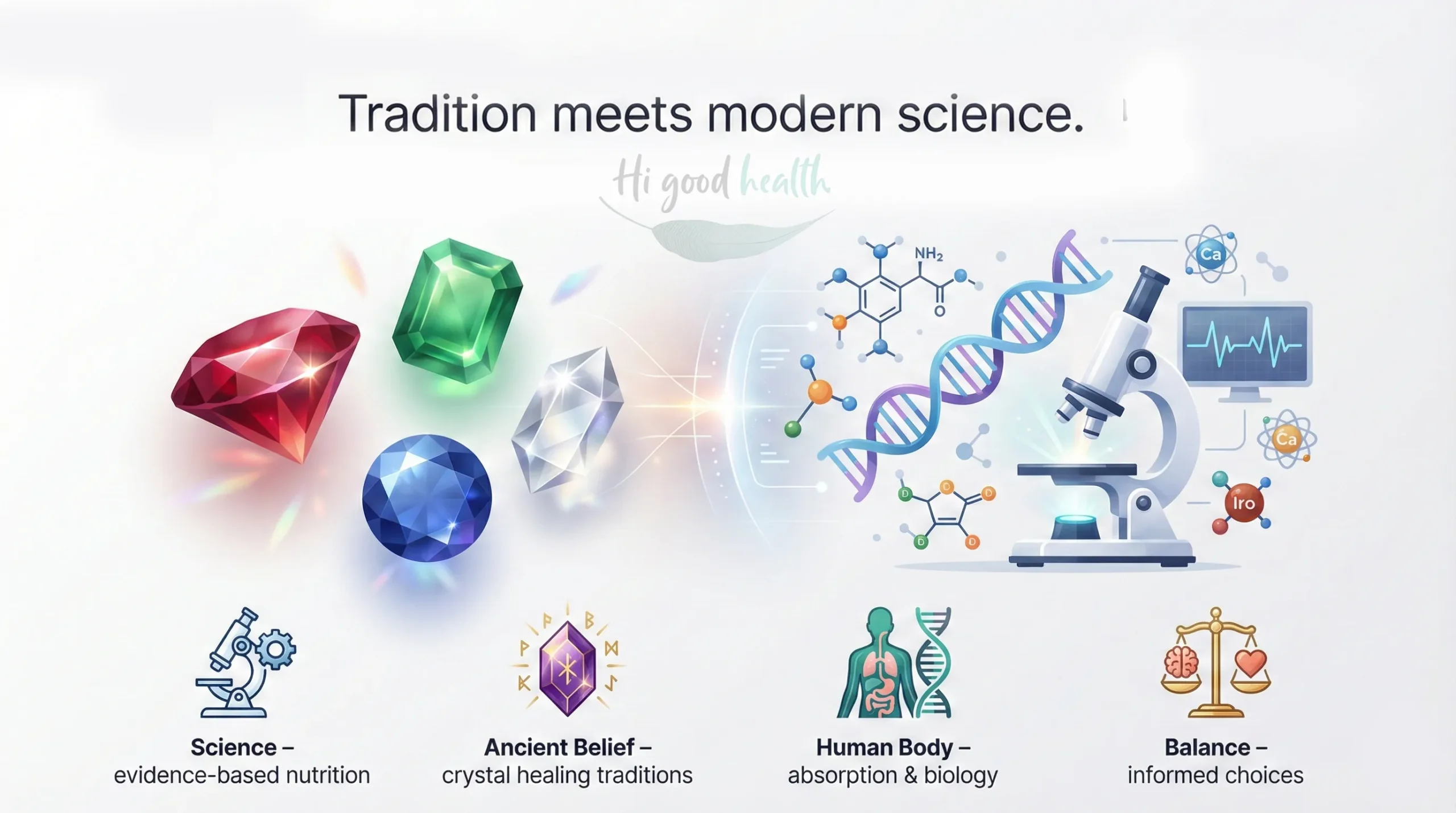
In a health-conscious world, people constantly seek new avenues for well-being. From superfoods to supplements, the pursuit of optimal health is widespread. Amidst this quest, a fascinating question arises: can gemstones, revered for centuries, genuinely address nutritional deficiencies? This blog post delves into the intersection of scientific understanding and the perceived benefits of gemstones, offering a balanced perspective to help you make informed health decisions.
The Allure of Gemstones: A Look at Perceived Benefits
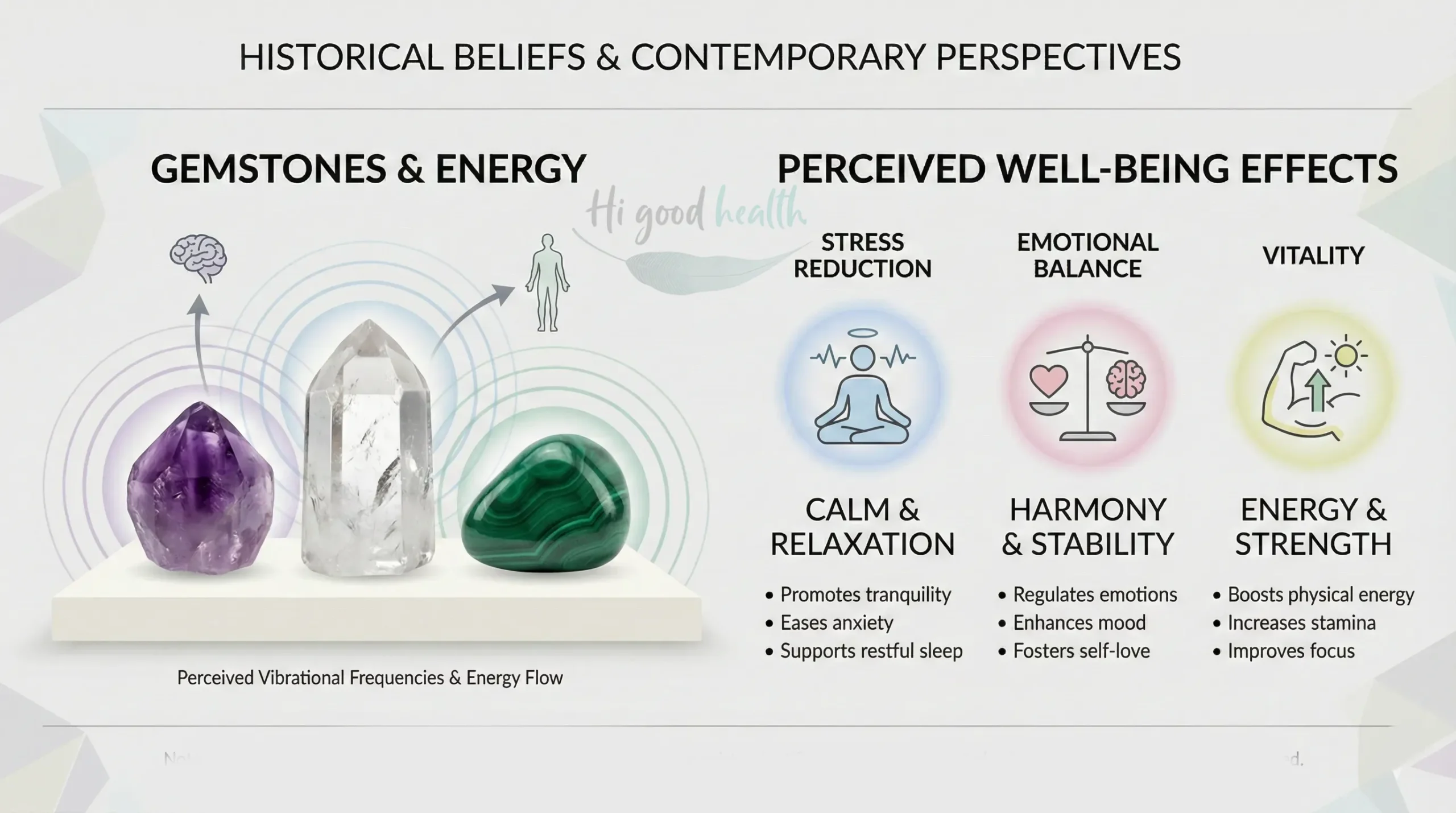
For millennia, cultures have attributed unique properties to gemstones. Stones like amethyst and clear quartz have been believed to possess special energetic vibrations or qualities capable of influencing physical and emotional well-being. Those who use gemstones often suggest these vibrations can harmonize the body’s energy fields, promote balance, and even stimulate a sense of healing or general well-being. The belief is that specific gemstones might resonate with particular bodily systems or emotions, thereby indirectly supporting one’s overall feeling of health or alleviating stress.
Many users believe gemstones interact with the body’s energy fields. They might suggest a stone can “cleanse” negative energy, reduce stress, or “energize” the wearer, contributing to a feeling of vitality. Such personal accounts, sometimes shared by public figures, highlight a subjective experience of well-being or comfort.
Gemstones Across Cultures: A Historical Perspective
Cultures worldwide have long incorporated gemstones into their practices, associating them with specific qualities or influences on human life.
- Ancient Civilizations: Egyptians used lapis lazuli for adornment, believing it offered protection and wisdom. Chinese cultures revered jade for its associations with purity, longevity, and good fortune, carving it into significant objects.
- Indian Traditions: In India, there’s a centuries-old practice of associating specific gemstones with perceived planetary influences on an individual’s life and well-being. People often wear these stones as rings or pendants, believing they can enhance good fortune, provide protection, and promote overall health.
The perceived effectiveness of these gemstones is often believed to depend on factors like their quality, size, and personal suitability, reflecting a long-standing cultural tradition.
Beyond Personal Adornment: Gemstones in Valued Objects
Beyond being worn as personal jewelry or talismans, many civilizations used precious and semi-precious materials in creating highly valued objects and figures, sometimes for communal reverence.
- Adornment of Figures: In various ancient cultures, statues or significant objects were often embellished with gemstones. For instance, lapis lazuli might be used for the eyes of a revered figure, or jade might be intricately carved into symbolic shapes. These materials were chosen not just for their beauty, but for their perceived inherent qualities, adding to the object’s significance and perceived power.
- Symbolic Embellishment: Across different traditions, gold and silver, often combined with gems, were used to create opulent items, symbolizing importance, light, or wealth. The stones contributed to the overall symbolic power of the object, reflecting cultural values.
In these contexts, the inherent properties attributed to the materials were thought to enhance the object’s specialness and significance within the cultural framework.
Stones, Gems, and Highly Valued Objects: A Historical and Cultural Comparison
| Object/Material | Historical/Cultural Contexts | Key Perceived Properties & Uses (General) |
| Amethyst | Ancient Greece, Rome | Sobriety, calm, stress reduction, protection. |
| Lapis Lazuli | Ancient Egypt, Mesopotamia | Wisdom, truth, royalty, protection, celestial connection. |
| Jade | Ancient China, Mesoamerica | Purity, longevity, good fortune, vitality. |
| Clear Quartz | Various ancient cultures | Energy amplification, clarity, cleansing, focus. |
| Turquoise | Native American, Ancient Egypt | Protection, good fortune, healing, balance. |
| Emerald | Ancient Egypt, Rome, India | Growth, rebirth, love, wealth, intellect. |
| Rudraksha | Indian (Hinduism, Buddhism) | Spiritual growth, meditation aid, protection, inner peace. |
| Garnet | Ancient Egypt, Greece, Rome | Energy, passion, protection, strength. |
| Rose Quartz | Ancient Greece, Rome, Egypt | Unconditional love, emotional balance, self-care. |
| Ruby | Various, Indian traditions | Vitality, leadership, passion, power. |
| Pearl | Various, Indian traditions | Purity, calmness, emotional balance. |
| Coral | Various, Indian traditions | Energy, courage, protection, vitality. |
| Sapphire | Various, Indian traditions | Wisdom, prosperity, stability, discipline. |
| Diamond | Various | Purity, strength, eternity, luxury. |
| Hessonite | Indian traditions | Protection from negative influences, mental clarity. |
| Cat’s Eye | Indian traditions | Protection from hidden dangers, intuition, resilience. |
| Gold & Silver | Various ancient cultures | Divinity, purity, wealth (gold); Moon, emotions (silver); often combined with gems. |
The Scientific Lens: What Does Research Say About Gemstones and Nutrition?
While the appeal of gemstones, rooted in various cultural traditions, is undeniable, it’s crucial to examine any claims of direct healing through a scientific lens. Modern medicine and nutritional science operate on principles of empirical evidence, measurable outcomes, and peer-reviewed research.
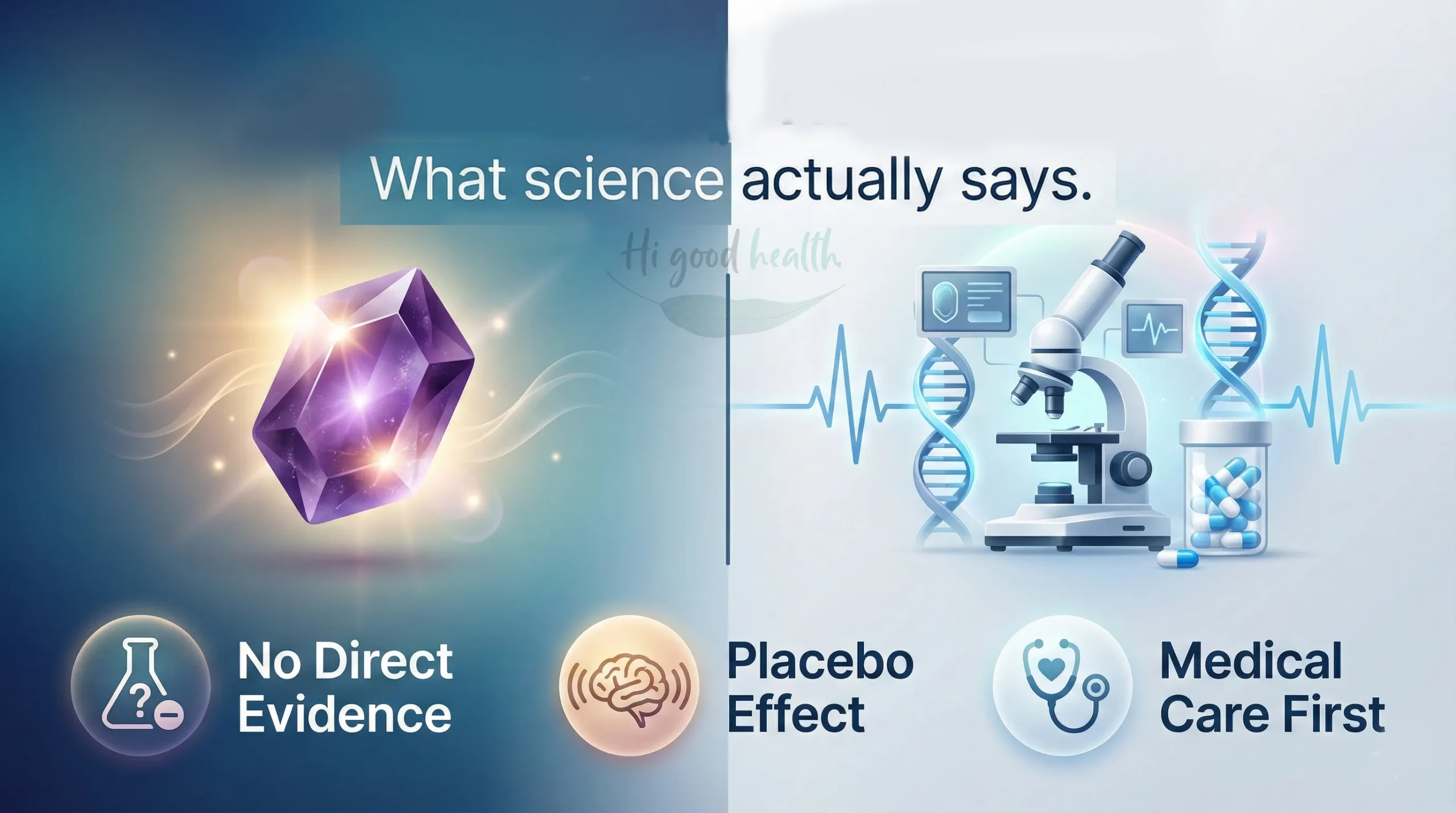
- The Absence of Direct Evidence: To date, there is no credible scientific evidence or peer-reviewed research that demonstrates gemstones can directly cure, prevent, or treat nutritional deficiencies. Conditions like iron deficiency anemia or vitamin D deficiency are physiological problems caused by inadequate intake or absorption of essential vitamins and minerals. These require specific dietary changes, supplementation, or medical treatments.
- The Placebo Effect: The perceived benefits of gemstone use often align with the placebo effect. This is a well-documented phenomenon where a person experiences a real improvement because they believe they are receiving an effective treatment, even if it’s inert. The power of belief and positive intention can indeed influence well-being, reduce stress, and alleviate some symptoms. However, it does not provide the necessary nutrients for a deficient body.
- A Complementary, Not Primary, Approach: It’s important to distinguish between complementary approaches and primary medical treatments. While some individuals find comfort and a sense of well-being through practices involving gemstones, these should be viewed as complementary to, and never a replacement for, evidence-based medical advice and nutritional guidance from qualified healthcare professionals. Relying solely on gemstones for nutritional deficiencies can lead to serious health consequences by delaying necessary medical intervention.
Why a Balanced Approach is Key for Your Health Journey
For individuals interested in exploring both perceived spiritual/energetic benefits and scientific avenues for health, a balanced and informed approach is paramount.
- Prioritize Evidence-Based Nutrition: If you suspect a nutritional deficiency, your first step should always be to consult with a doctor or a registered dietitian. They can accurately diagnose the deficiency through tests and provide a personalized treatment plan, which may include dietary changes, supplements, or other medical interventions.
- Integrate Mind-Body Practices (with caution): If you find comfort or a sense of well-being from working with gemstones, you can incorporate them into your holistic health routine. This might involve meditation with crystals, carrying them for a sense of calm, or using them as a focal point for intention setting. However, it’s crucial to understand that these practices are for emotional or energetic support, not for correcting physiological imbalances like nutritional deficiencies.
- Beware of Misinformation: The internet is rife with claims about miracle cures. Always verify health information from reputable sources. Be skeptical of claims that seem too good to be true, especially if they discourage conventional medical treatment.
Reputable Sources for Your Health and Wellness Journey:
To further enhance your understanding and ensure you’re making informed decisions, consult these reliable sources:
- National Institutes of Health (NIH) – Office of Dietary Supplements: A comprehensive resource for information on vitamins, minerals, and other dietary supplements.
- Academy of Nutrition and Dietetics: The world’s largest organization of food and nutrition professionals, offering evidence-based advice on healthy eating.
- The New England Journal of Medicine: A highly respected peer-reviewed medical journal for cutting-edge research.
- Cochrane Library: A collection of databases containing high-quality, independent evidence to inform healthcare decision-making.
Expert Quote:
“While the placebo effect is a powerful tool in medicine, it cannot address the fundamental physiological needs of a body experiencing a true nutritional deficiency,” states Dr. Elizabeth R. Science, a leading researcher in nutritional biochemistry at the University of Health. “Relying on perceived energetic practices alone for conditions requiring specific nutrient repletion can lead to serious long-term health complications.”
Conclusion: Empowering Your Health Choices
The world of health and wellness offers a vast array of approaches. While the perceived benefits of gemstones, rooted in various cultural traditions and personal experiences, are undeniable and can contribute to a sense of well-being, it’s imperative to distinguish between complementary practices and scientifically proven medical interventions. When it comes to nutritional deficiencies, the science is clear: proper diagnosis and evidence-based nutritional strategies are the most effective and responsible paths to recovery. By embracing a balanced perspective that values both personal comfort and scientific rigor, you can confidently navigate your health journey and make choices that truly serve your well-being.
If you prefer a more visual version, check out our YouTube video here:
FAQ: Can Gemstones Heal Nutritional Deficiencies?
Here are some frequently asked questions regarding gemstones and nutritional deficiencies:
Q1: Can wearing certain gemstones increase my iron levels if I have iron deficiency anemia?
A1: No, wearing gemstones cannot directly increase your iron levels or cure iron deficiency anemia. This is a medical condition requiring iron supplementation, dietary changes, or other medical interventions prescribed by a healthcare professional.
Q2: Are there any scientific studies proving that crystals can help with vitamin absorption?
A2: No, there are no scientific studies or credible research proving crystals can help with vitamin absorption. This is a complex biological process depending on your digestive system, certain co-factors, and the form of the vitamin consumed.
Q3: Can I use gemstones instead of taking vitamin supplements for deficiencies?
A3: Absolutely not. Gemstones are not a substitute for vitamin supplements or a balanced diet to address nutritional deficiencies. Relying on gemstones instead of scientifically proven treatments can worsen your deficiency and lead to serious health consequences. Always consult a healthcare professional for diagnosis and treatment.
Q4: Do different gemstones have different perceived effects on the body’s energy, which might indirectly help with overall well-being?
A4: From an energetic perspective, many individuals believe different gemstones possess unique vibrational frequencies that can influence the body’s energy fields. While some report feeling more balanced or calm, these effects are largely subjective and not scientifically proven to impact physiological processes like nutrient absorption or deficiency correction. Any perceived benefit is likely attributed to the placebo effect or personal experience.
Q5: Where can I find reliable information about treating nutritional deficiencies?
A5: For reliable information on treating nutritional deficiencies, always consult:
- Your primary care physician or a specialist.
- A registered dietitian or nutritionist.
- Reputable scientific and medical websites like the National Institutes of Health (NIH), the Academy of Nutrition and Dietetics, or the World Health Organization (WHO). Avoid relying on anecdotal evidence or unverified claims.
