
The Clear Convenience with a Cloudy Truth
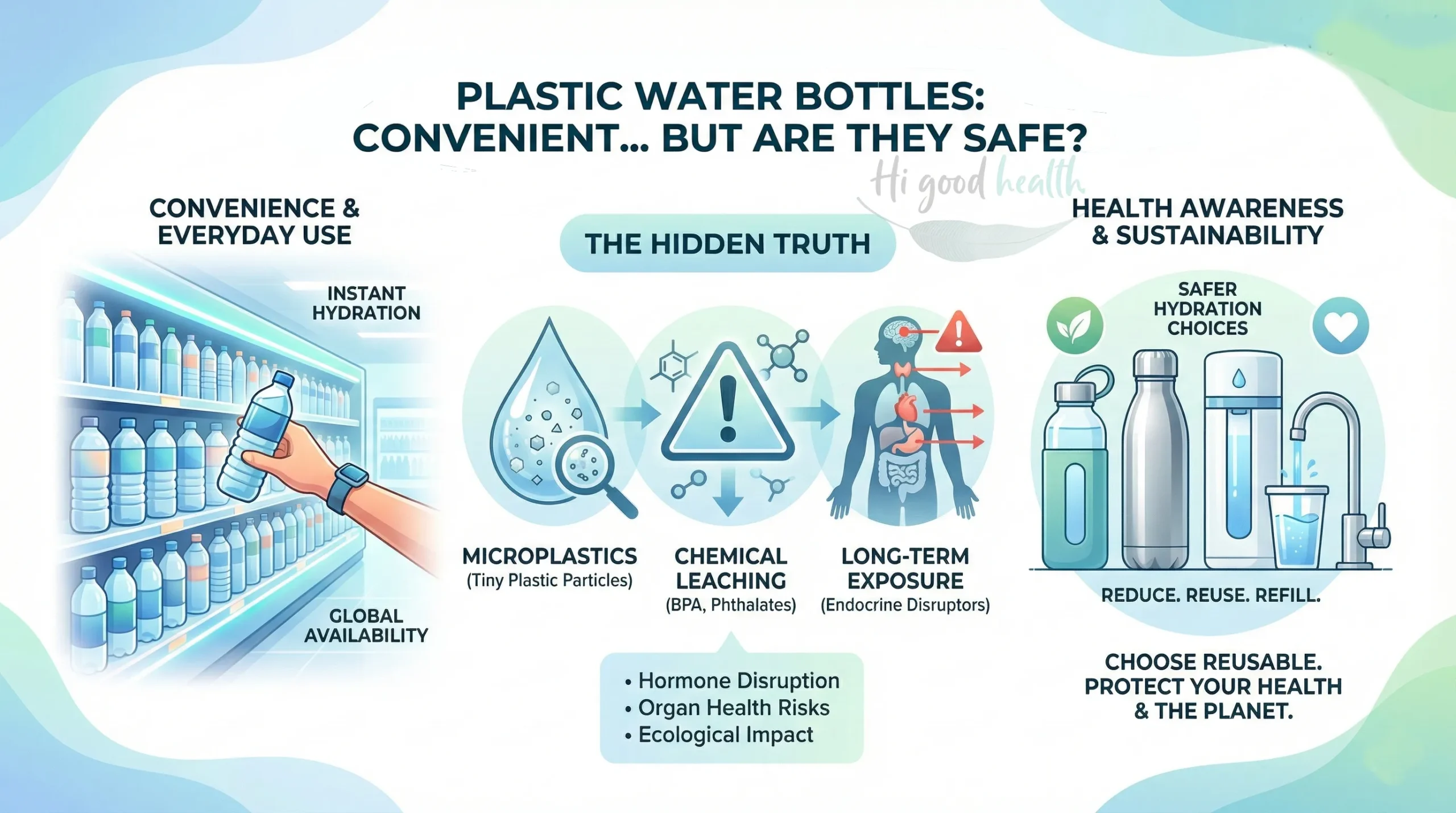
Walk into any supermarket, airport, gym, or gas station, and you’ll be greeted by a wall of glistening plastic water bottles. They are the epitome of convenience—a quick, portable, and seemingly clean way to hydrate. We grab them without a second thought, trusting in their safety. But are these ubiquitous plastic containers as innocuous as we perceive them to be? The question of their safety is gaining serious traction, with wellness experts and biohackers like Bryan Johnson making a point to avoid them entirely, citing concerns over plastics leaching chemicals into the very water we drink to stay healthy. This guide will explore the science behind these concerns, identify the risks, and empower you with safer, healthier hydration habits.
A Brief History: How Plastic Became King
It wasn’t always this way. Just a few decades ago, the idea of paying for bottled water was almost laughable for many. People drank from the tap, used glass bottles for milk and soda, and carried water in canteens or thermoses. The shift began in the 1970s but exploded in the 1990s and 2000s. Driven by brilliant marketing campaigns that sold images of pristine mountain springs and superior purity, bottled water became a status symbol and a health-conscious choice. The low cost, durability, and light weight of Polyethylene Terephthalate (PET) plastic made it the perfect vessel for this new industry. Convenience culture took over, and single-use plastic bottles became the default, pushing aside more sustainable and potentially safer options.
Decoding the Plastic: Not All Bottles Are Created Equal
When we talk about “plastic bottles,” we’re not talking about one single material. Different plastics are used for different purposes, and you can identify them by the Resin Identification Code—the number inside the chasing arrows symbol. For beverages, the most common is:
- #1 PET or PETE (Polyethylene Terephthalate): This is the clear plastic used for most single-use water, soda, and juice bottles. It is considered generally safe for single use. However, studies show that when exposed to heat (like in a hot car), sunlight, or physical stress, and with repeated use, it can leach antimony, a heavy metal, and phthalates.
A Note on Microplastics and Nanoplastics
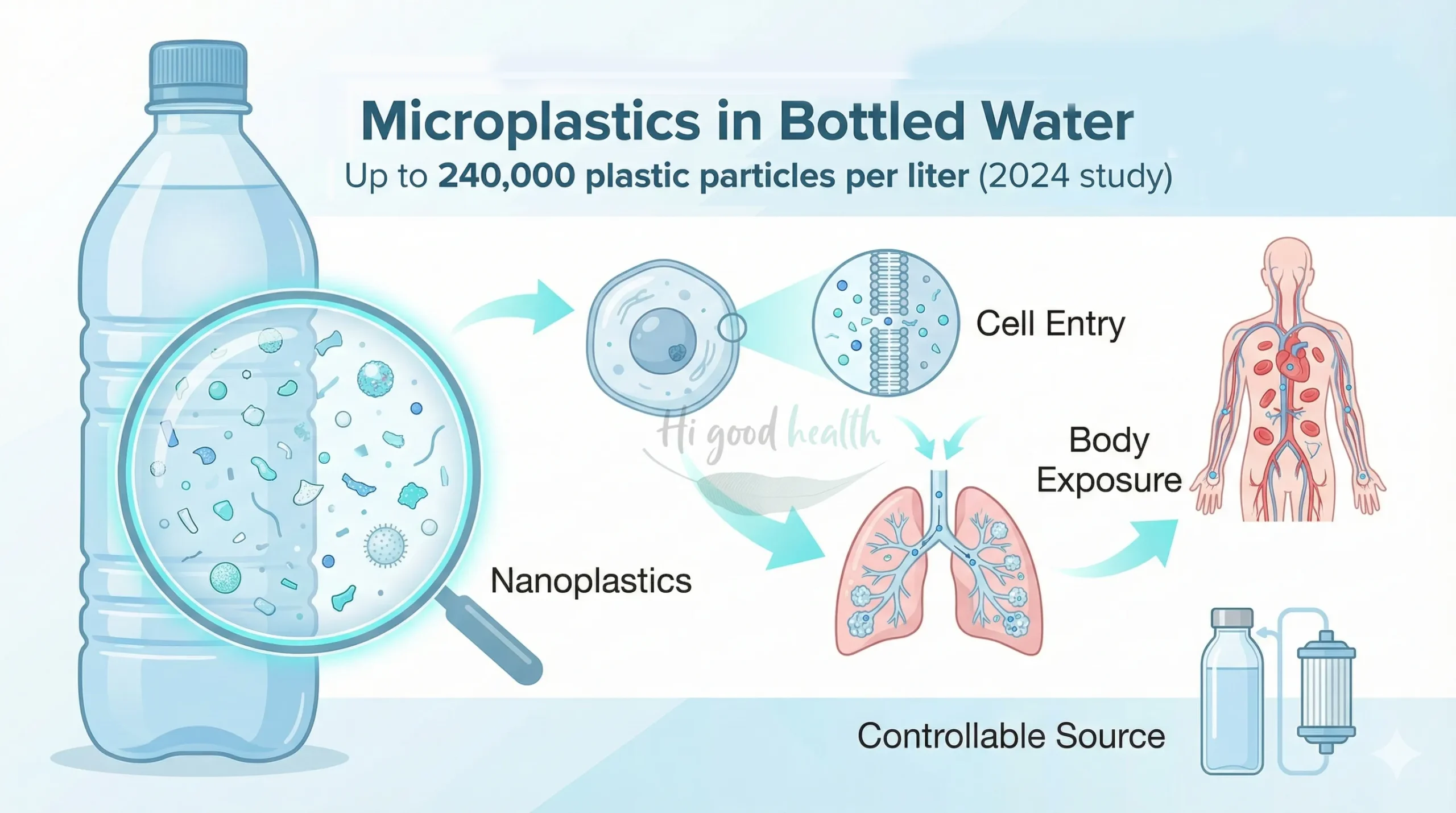
A significant concern with PET bottles is the shedding of microplastics and even smaller nanoplastics. A groundbreaking 2024 study from Columbia University published in the Proceedings of the National Academy of Sciences found that a typical liter of bottled water contains an average of 240,000 detectable plastic fragments, mostly nanoplastics. These tiny particles can potentially infiltrate human cells and tissues. It’s important to note that microplastics are now ubiquitous in our environment; we also consume them through the air we breathe and in other foods. However, bottled water is a significant and, more importantly, a controllable source of exposure.
The Hidden Health Impacts: What the Science Says
The primary health concern with plastic bottles is chemical leaching. This is the process where chemicals from the plastic migrate into the water. The two main culprits that have been studied extensively are:
- Bisphenol A (BPA): Famously used in polycarbonate (#7 plastic) water cooler jugs and reusable sports bottles, BPA is a known endocrine disruptor. This means it can mimic the body’s hormones, potentially interfering with reproductive health, brain development, and metabolism.
- Phthalates: These chemicals are used to make plastics more flexible and durable. They are also endocrine disruptors linked to a range of health issues.
Dr. Leonardo Trasande, a leading researcher in environmental health at NYU Grossman School of Medicine, has extensively documented the risks of endocrine-disrupting chemicals. In his work, he emphasizes that even low-level exposure can have lasting health consequences. The World Health Organization (WHO) has also acknowledged the presence of microplastics in drinking water but states that more research is needed on the direct health impact, advising a “precautionary approach.”
Identifying Safer Bottles and Making the Switch
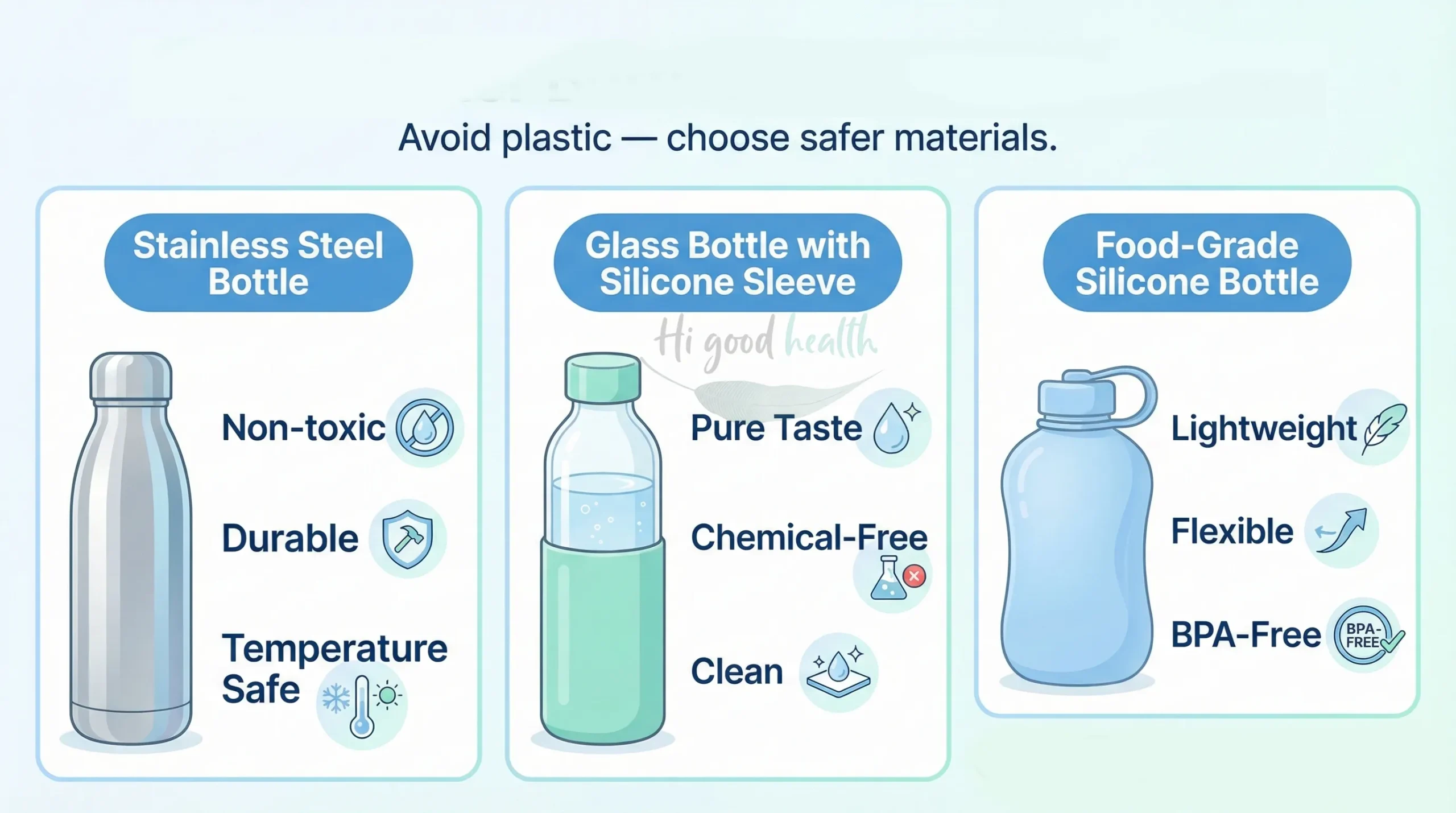
The best way to avoid potential risks is to move away from plastics where possible. When choosing a reusable bottle, here’s how to identify safer options and their pros and cons:
- How to Identify “BPA-Free”: Look for a clear label on the product or packaging that explicitly states “BPA-Free.” While most single-use bottles (Type #1 and #2) don’t contain BPA, this label is crucial for reusable plastic bottles. As a rule, avoid plastic designated with #7 (Polycarbonate) unless it is certified BPA-free.
- 18/8 or 304 Grade Stainless Steel:
- Pros: Highly durable, non-reactive, won’t leach chemicals, and keeps beverages hot or cold for hours. The safest and most popular choice.
- Cons: Can be heavier and more expensive than other options.
- Glass:
- Pros: Chemically inert and impermeable, offering the purest taste. It’s arguably the safest material for contact with water.
- Cons: Heavy and easily breakable, though many now come with protective silicone sleeves.
- Silicone (Food-Grade):
- Pros: Lightweight, flexible, and often collapsible, making it excellent for travel. It’s BPA-free and generally considered safe.
- Cons: Can sometimes retain odors or flavors. Its flexibility may not be preferable for everyone, and quality can vary, so ensure it’s 100% food-grade silicone from a reputable brand.
Navigating the Real World: Hydration on the Go
It’s not always possible to carry enough water from home, especially when traveling or out for a long day. If you find yourself needing to buy water, think in terms of “better” and “best” choices:
- First, Try to Refill: Your primary goal should be to refill your own safe, reusable bottle. Look for water fountains or ask politely at any café or restaurant.
- If You Must Buy, Choose Glass: If you have the option, water sold in a glass bottle is the best choice from a health perspective.
- The Next Best: Aluminum: An aluminum can or bottle is generally a better choice than plastic. While they have a thin plastic liner, they are opaque (protecting the water from light) and have a very high recycling rate.
- Last Resort: Plastic: If a plastic bottle is your only option, make it a safer choice. Grab one from a cool, dark shelf—not one that’s been sitting in a sunny window. Drink it, recycle it, but do not refill it or let it bake in your car.
The Ultimate Do’s and Don’ts
| DO | DON’T |
| ✅ Invest in a high-quality stainless steel, glass, or silicone bottle. | ❌ Don’t reuse single-use PET (#1) bottles. |
| ✅ Filter your tap water at home for a clean, cheap source. | ❌ Don’t leave plastic water bottles in a hot car or in direct sunlight. |
| ✅ Wash your reusable bottle daily with soap and water. | ❌ Don’t drink from bottles with deep scratches or signs of wear. |
| ✅ When buying water, choose glass or aluminum over plastic if possible. | ❌ Don’t assume “BPA-Free” means completely chemical-free. |
Conclusion: A Balanced Approach to a Modern Problem
In today’s world, completely avoiding plastic is an immense challenge. The goal is not to live in fear, but to live with awareness. While the definitive long-term harm of chronic, low-dose exposure to these chemicals and microplastics is still being studied, the preliminary evidence is strong enough to warrant a “better safe than sorry” approach.
The real-world harm isn’t from drinking from a plastic bottle once in an emergency; it’s from habitual, long-term exposure—the daily reuse of a disposable bottle or leaving it in a hot car. By making a simple switch to a reusable bottle for your daily hydration, you dramatically reduce your primary exposure. This choice has a powerful ripple effect, not only for your personal health but also for the wider environment, reducing the demand for single-use plastics that clog our oceans, harm wildlife, and persist in our ecosystems for centuries. It’s about taking control where you can and making small, sustainable changes that protect both you and the planet.
If you prefer a more visual version, check out our YouTube video here:
Frequently Asked Questions (FAQ)
Q1: Is it really that bad to reuse a plastic water bottle once or twice?
A: It’s best to avoid it. Single-use bottles (Type #1 PET) are not designed for reuse. The plastic can break down from physical stress and cleaning, increasing the risk of both bacterial growth in the tiny cracks and chemical leaching into your water.
Q2: I left a plastic water bottle in my hot car. Is it safe to drink?
A: It is strongly advised not to. Heat significantly accelerates the rate at which chemicals like antimony and BPA/BPS can leach from the plastic into the water. It’s safer to discard it.
Q3: Is “BPA-free” plastic completely safe?
A: Not necessarily. Many “BPA-free” products use replacement chemicals like Bisphenol-S (BPS). Emerging research suggests these substitutes may have similar endocrine-disrupting effects. The safest bet is to choose materials that don’t need these chemicals at all, like glass or stainless steel.
Q4: Are microplastics in bottled water actually harmful?
A: This is an area of active scientific research. The World Health Organization (WHO) currently states there isn’t enough evidence to confirm harm from ingestion at current levels. However, the presence of hundreds of thousands of nanoplastic particles, which can penetrate cells, is a major concern for long-term health, and the “precautionary principle” suggests limiting exposure is wise.
Q5: What is the safest type of water bottle to drink from?
A: Based on current knowledge, the safest water bottle materials are food-grade (18/8 or 304) stainless steel and glass, with high-quality, 100% food-grade silicone being another excellent, lightweight option.
Sources and Further Reading
- Nanoplastics in Bottled Water Study: “Rapid single-particle chemical imaging of nanoplastics by SRS microscopy,” Proceedings of the National Academy of Sciences1 (PNAS), January 8, 2024. https://www.pnas.org/doi/10.1073/pnas.2300582121
- World Health Organization (WHO): “Microplastics in drinking-water,” August 22, 2019. https://www.who.int/news/item/22-08-2019-who-calls-for-more-research-into-microplastics-and-a-crackdown-on-plastic-pollution
- National Institute of Environmental Health Sciences (NIEHS): “Bisphenol A (BPA).” https://www.niehs.nih.gov/health/topics/agents/sya-bpa/index.cfm
- Book: “Sicker, Fatter, Poorer: The Urgent Threat of Hormone-Disrupting Chemicals to Our Health and Future…and What We Can Do About It” by Dr. Leonardo Trasande.2
