Introduction: The American Quest for Longevity
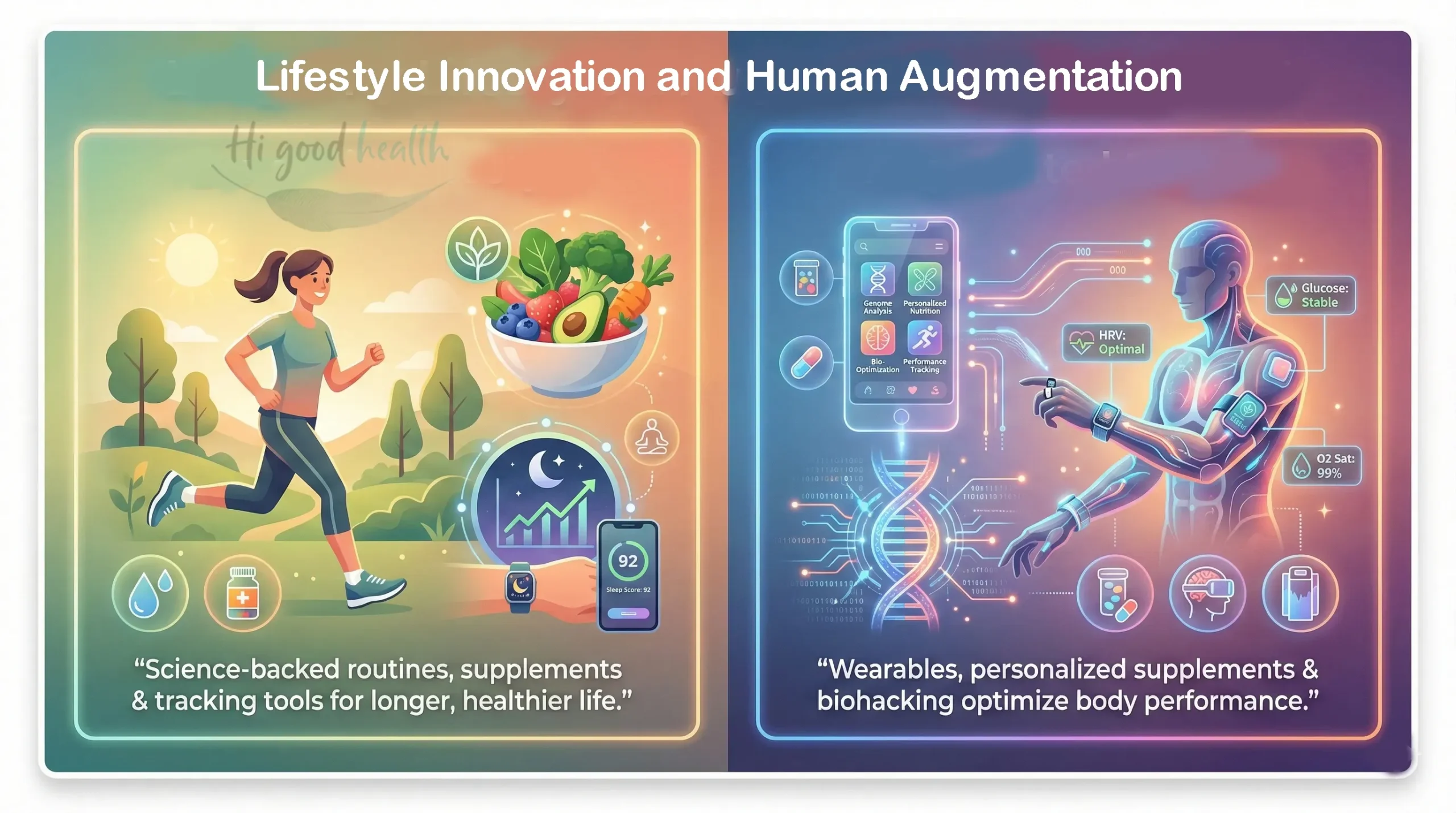
For centuries, humans have sought the secret to longer life. In 2026, that quest is being rebranded as the longevity lifestyle — a mix of science-backed routines, supplements, and high-tech tracking tools designed not just to extend lifespan, but to maximize healthspan (the years spent healthy and independent).
Parallel to this movement is the rise of “augmented biology” — the use of wearables, digital health apps, personalized supplements, and biohacking strategies to optimize the body’s cellular and metabolic performance.
From Silicon Valley billionaires funding anti-aging labs to everyday Americans downloading fasting apps, the longevity movement has gone mainstream. But does the science back the hype, and can the average person really afford to “biohack” their biology?
The Science of Longevity
Cellular Repair & Senescence
- Senescent cells (zombie cells) accumulate with age, driving inflammation.
- Senolytic drugs are being studied to clear these cells and extend healthspan.
Telomere Theory
- Telomeres (caps on DNA) shorten with age.
- Healthy diet, stress reduction, and exercise slow shortening.
Caloric Restriction & Fasting
- Animal studies show reduced calorie intake extends life.
- Intermittent fasting apps like Zero and Fastic trend in the US.
Exercise & Muscle Preservation
- Resistance training is the single strongest predictor of healthy aging.
- VO₂ max (aerobic fitness) correlates with longevity.
💡 A 2024 NIH study confirmed seniors who combined strength training with higher protein intake reduced frailty by 45% compared to controls.
Augmented Biology: Tools of the Longevity Lifestyle
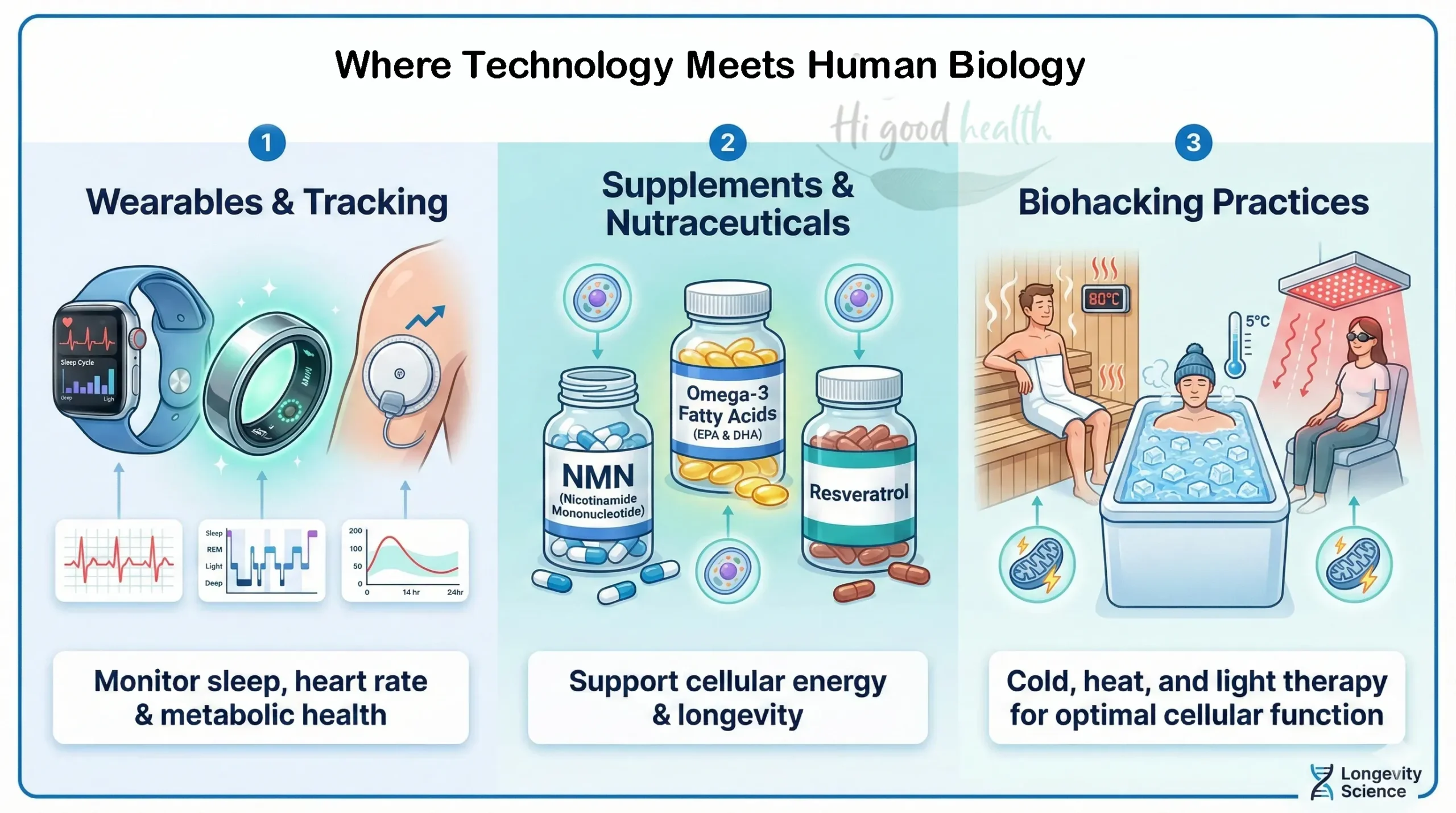
Wearables & Tracking
- Oura Ring, Whoop, Apple Watch: Track sleep, heart rate, readiness scores.
- Continuous glucose monitors (CGMs): Adopted by non-diabetics to track metabolic health.
Supplements & Nutraceuticals
- NMN/NAD+ boosters: Support cellular energy.
- Resveratrol & spermidine: Claimed anti-aging compounds.
- Omega-3s & Vitamin D: Widely recommended for longevity.
Biohacking Practices
- Cold exposure (ice baths).
- Heat therapy (saunas).
- Red light therapy for mitochondrial health.
Case Studies: Americans Living Longevity Lifestyles
Case 1: Brian, 38, California
Tech entrepreneur tracks everything: sleep, glucose, ketones. His regimen includes intermittent fasting, NMN supplements, and cold plunges. Reports improved focus and recovery.
Case 2: Patricia, 67, Florida
Retired teacher follows a plant-forward Mediterranean diet, practices yoga, and uses a smartwatch to track activity. Her goal is maintaining independence, not immortality.
Case 3: Jamal, 52, Chicago
Pre-diabetic father of three adopted time-restricted eating and strength training. Lost 20 pounds, lowered blood sugar, and says he feels “younger than at 40.”
Benefits of Longevity Lifestyle
- Reduced risk of chronic diseases (heart disease, diabetes).
- Improved energy and mental clarity.
- Delayed frailty and disability.
- Stronger immune function.
- Increased healthspan, not just lifespan.
Pitfalls & Risks
- Hype products: Many supplements lack strong evidence.
- Data overload: Constant tracking may cause anxiety (“orthosomnia” with sleep trackers).
- Equity gap: High-end biohacking tools remain accessible mostly to wealthy Americans.
- Unknown long-term effects: Senolytic drugs and NAD+ boosters are still experimental.
The Business of Longevity in America
- Market size: Global longevity economy projected at $600 billion by 2030.
- US investment: Dozens of startups focused on anti-aging biotech.
- Insurance angle: Some US insurers are piloting premium discounts for longevity lifestyle adherence (exercise, biomarker monitoring).
Longevity for Everyday Americans
Not everyone can afford $5,000 smart beds or experimental pills. But core longevity practices are accessible:
- Regular exercise (especially strength training).
- Balanced diet (Mediterranean or DASH).
- Quality sleep (7–9 hours).
- Stress management (mindfulness, therapy).
- Social connection (linked to longer life).
💡 Harvard’s Study of Adult Development (the world’s longest-running study) shows social connection is the strongest predictor of long-term well-being.
Short- vs Long-Term Impacts
Short-Term Benefits:
- More energy, better sleep, improved mood.
- Weight loss and reduced inflammation.
Long-Term Benefits:
- Lower chronic disease burden.
- Healthier cognitive function.
- Greater independence in older age.
Step-by-Step: How to Start a Longevity Lifestyle in 2026
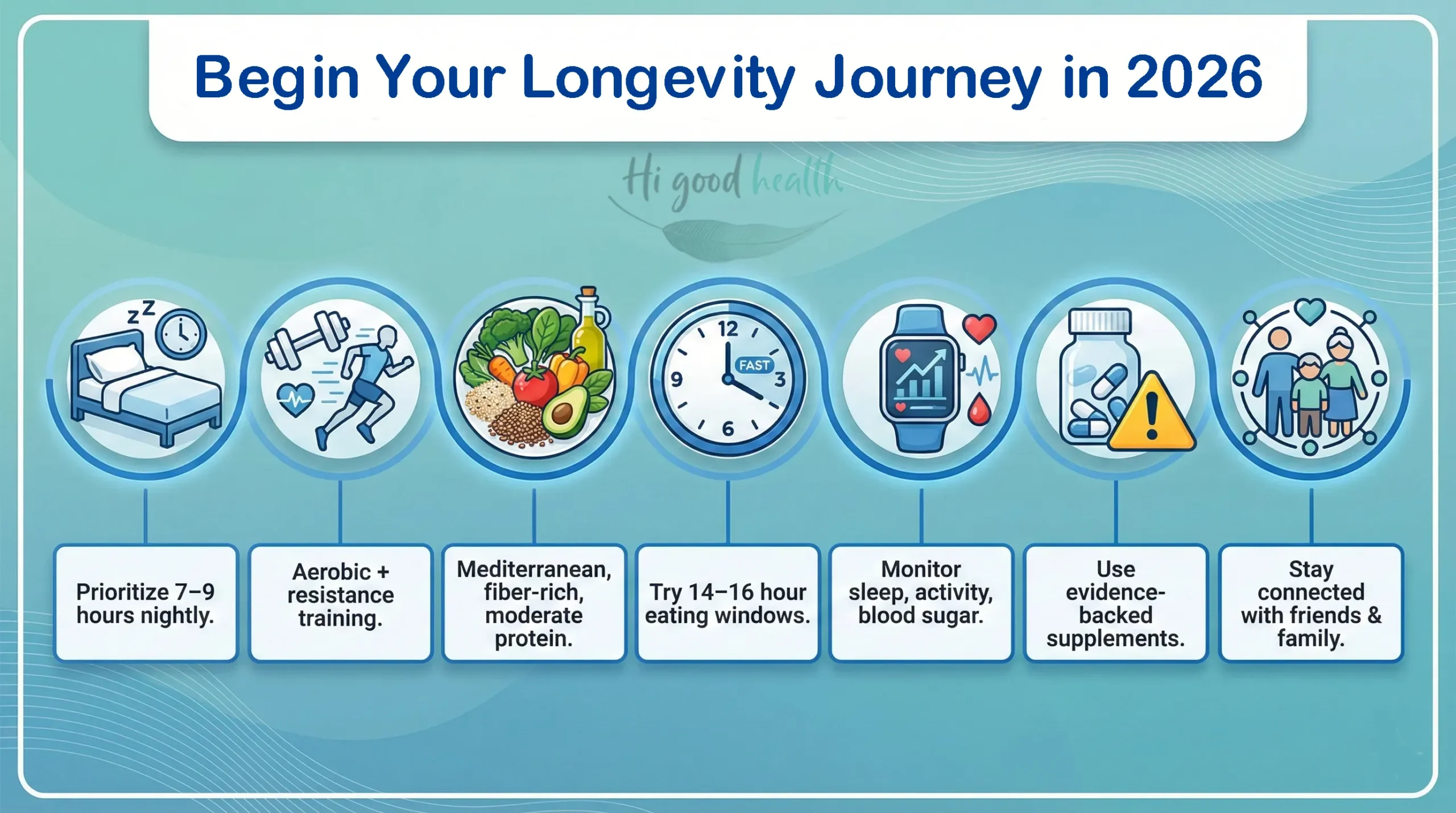
- Start with Sleep
- Prioritize 7–9 hours per night.
- Train Smart
- Mix aerobic activity with resistance training.
- Eat for Longevity
- Mediterranean diet, high-fiber, moderate protein.
- Experiment with Fasting
- Try 14–16 hour windows, not extreme protocols.
- Track What Matters
- Sleep, activity, blood sugar — not every biomarker.
- Be Skeptical of Hype
- Supplements should be evidence-backed.
- Build Social Habits
- Stay connected with friends, family, and community.
What Experts Say
- NIH: “Lifestyle interventions remain the most proven longevity strategy.”
- Mayo Clinic: Warns against over-reliance on unproven supplements.
- Longevity scientists: Cautiously optimistic about senolytics and NAD+ boosters, but emphasize human trials are still limited.
If you prefer a more visual version, check out our YouTube video here:
Expanded FAQs
1. What is the difference between lifespan and healthspan?
Lifespan is the total number of years you live, while healthspan measures the years spent in good health without disability. The modern longevity goal is not just living longer, but maximizing independent, healthy years.
2. What is “augmented biology” and how does it work?
Augmented biology uses technology to optimize the body’s performance. It involves using wearables, digital health apps, and personalized supplements to enhance metabolic health. This 2025 trend focuses on “biohacking” your biology for peak function.
3. Do anti-aging supplements like NMN really work?
Some compounds like NMN show promise in cellular studies, but strong human evidence is still limited. Experts warn against hype; supplements should support, not replace, proven lifestyle pillars like sleep and exercise.
4. Is the longevity lifestyle expensive to maintain?
No. While billionaires fund expensive labs, the core practices are accessible to everyone. Regular strength training, 7–9 hours of sleep, and a balanced diet are the most effective tools and cost very little.
5. Is intermittent fasting safe for everyone?
Fasting is popular for metabolic health, but safety varies. Beginners should try 14–16 hour windows rather than extreme protocols. It is generally not recommended for children, pregnant women, or those with eating disorders.
6. What is the single best exercise for aging?
Resistance training is the strongest predictor of healthy aging. A 2024 study showed seniors combining strength work with protein intake reduced frailty by 45%. Mixing weights with aerobic activity is ideal.
7. Why do non-diabetics use Continuous Glucose Monitors (CGMs)?
Non-diabetics use CGMs to track how different foods impact their metabolic health. It is a key tool in “augmented biology,” helping users visualize data to make immediate diet and lifestyle adjustments.
8. Are biohacking practices like cold plunges safe?
Practices like cold exposure and saunas are generally safe if done in moderation. However, extreme versions carry risks. Always listen to your body and prioritize consistency over intensity to avoid negative side effects
Final Thoughts
The longevity lifestyle and augmented biology movement capture America’s hope for control over aging. While billionaires chase radical life extension, the real revolution lies in accessible practices: sleep, nutrition, exercise, and community.
In 2026, augmented biology offers exciting tools — but the foundation of longevity is timeless: move more, eat smart, connect deeply, and rest well. Science is catching up to what wisdom has long known.
Glossary
- Healthspan: Years lived in good health, free of disability.
- Senolytics: Drugs targeting senescent “zombie” cells.
- NAD+: Molecule involved in cellular energy, declines with age.
- VO₂ max: Measure of aerobic fitness.
- Biohacking: Self-experimentation with health/longevity practices.
