
Grains form the cornerstone of diets across the globe, offering essential carbohydrates, fiber, and a range of vital nutrients. From the fluffy rice accompanying countless meals to the versatile wheat in our daily bread, these staples have shaped human civilization and culinary traditions. But with increasing awareness about diet and healthy grains, it’s natural to question: are these ubiquitous grains truly serving our well-being, or could there be better grain alternatives? This deep dive explores common grains like wheat and rice, introduces a rising star called teff, and helps you make informed choices for your optimal health.
The Enduring Legacy of Grains: A Global Staple
Grains have been a fundamental part of the human diet for thousands of years, transitioning from wild harvests to cultivated crops that fueled the development of agriculture and settled societies. Their widespread acceptance stems from their ease of storage, caloric density, and versatility. Today, grains are consumed in countless forms globally: as flours for bread, pasta, and baked goods; as whole kernels in pilafs, salads, and porridges; and as ingredients in fermented products and beverages. From the injera of Ethiopia made from teff to the rice paddies of Asia and the wheat fields of North America, these healthy grains represent diverse cultural heritages and dietary patterns.
Are Grains Making Us Healthier or Addictive? Understanding Grain Health
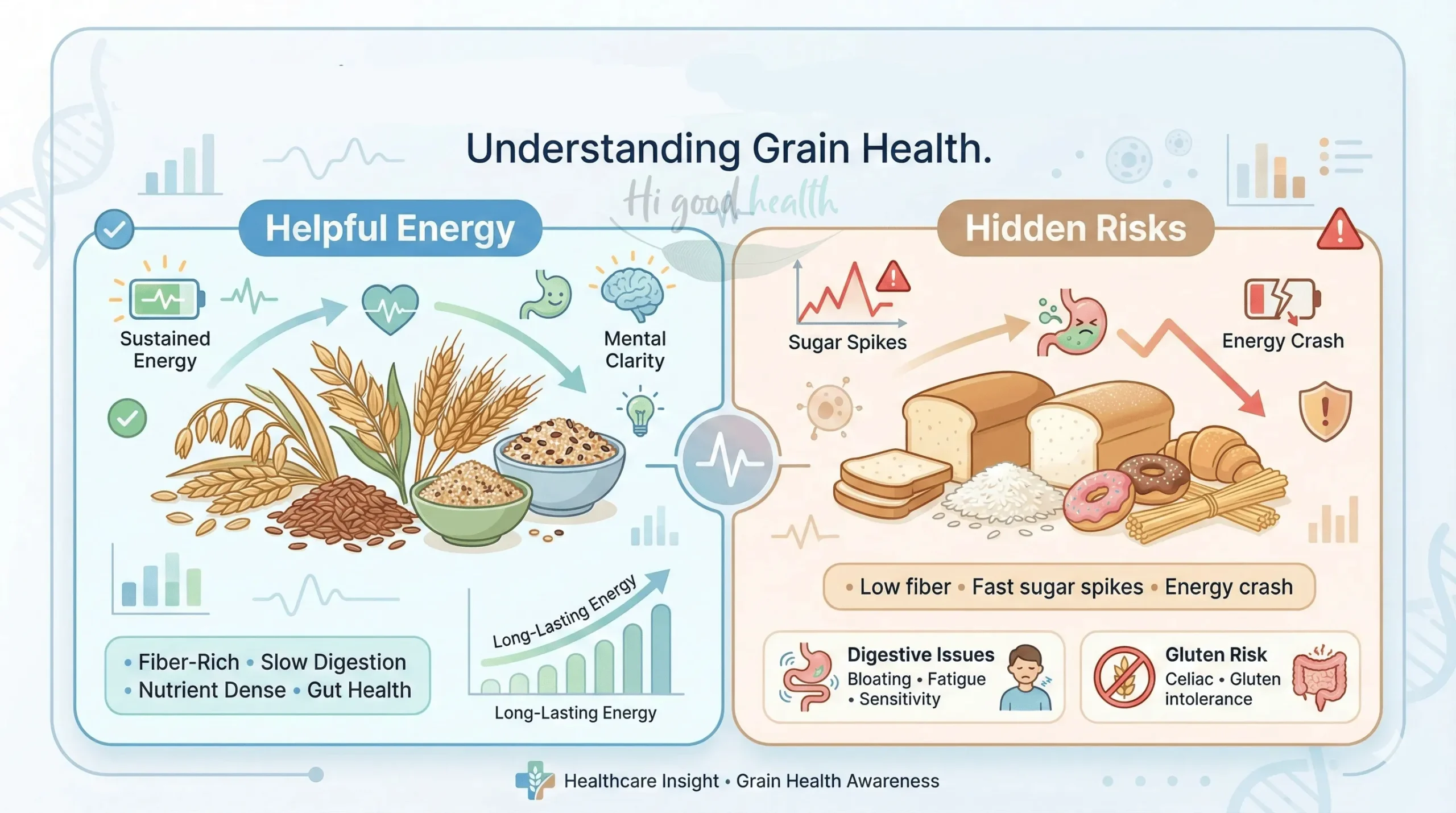
While grains are a vital energy source, the impact of their consumption on our health isn’t always straightforward. Refined grains, common in many modern diets, have been stripped of their bran and germ, losing much of their fiber, B vitamins, and minerals in the process. This refining can lead to rapid blood sugar spikes, potentially contributing to energy crashes and, over time, issues like insulin resistance. Some individuals may also experience digestive discomfort, bloating, or gas from excessive consumption, particularly of refined wheat. The gluten in wheat can be a significant concern for those with celiac disease or non-celiac gluten sensitivity, leading to a range of adverse health effects. If you frequently experience bloating, digestive upset, fatigue after meals, or skin issues, it might be worth examining your grain intake and consulting with a healthcare professional to understand your grain health.
Wheat & Rice in the US: A Closer Look at Common Grains
In the United States, wheat and rice are dietary mainstays. However, the form in which they are consumed significantly impacts their health benefits.
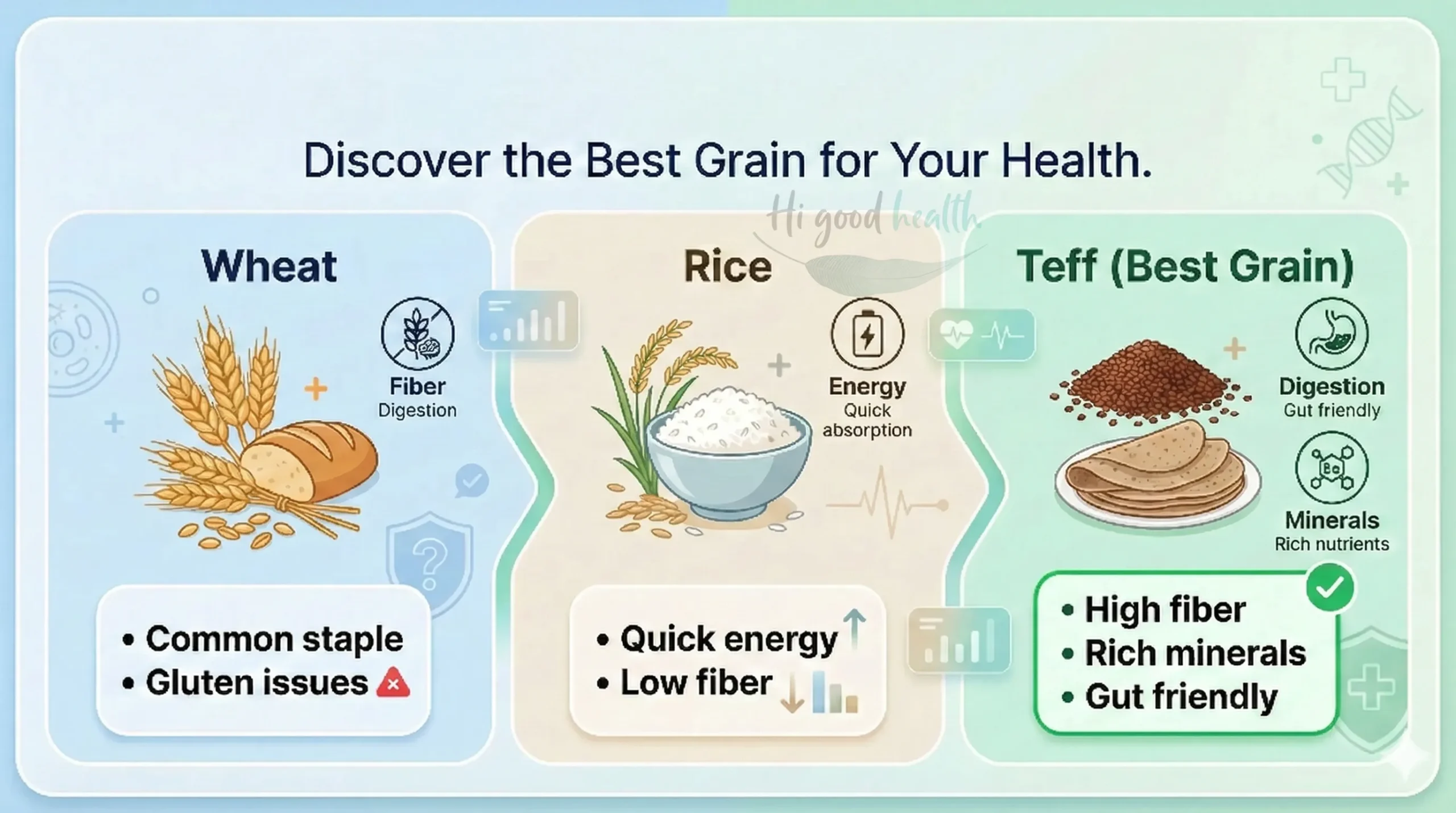
- Wheat: While whole wheat is a good source of fiber, B vitamins, and minerals, much of the wheat consumed in the US is refined. Refined wheat products, such as white bread and many pastries, lack the nutritional density of their whole grain counterparts. For example, refined white rice loses much of its fiber and nutrients during processing. To identify healthier options, look for “100% whole wheat” or “100% whole grain” on food labels. The Whole Grains Council (https://wholegrainscouncil.org/) recommends consuming at least three servings of whole grains daily.
- Rice: Rice is naturally gluten-free, making it a safe option for individuals with celiac disease or gluten sensitivity. Brown rice, a whole grain, offers significantly more fiber and micronutrients like manganese, selenium, and magnesium compared to white rice. While white rice is often enriched with iron and B vitamins, its lower fiber content means it can cause quicker blood sugar spikes than brown rice. A notable concern with rice is its potential to absorb arsenic from the soil, though cooking methods can help reduce its content, and it can be safely consumed as part of a balanced diet of healthy grains.
Expanding Your Grain Horizons: Beyond Wheat & Rice with Ancient Grains
If you’re looking to diversify your grain intake or need gluten-free options, several ancient grains offer impressive nutritional profiles.
Teff: The Tiny Ethiopian Powerhouse and Its Health Benefits
Teff is an ancient, tiny grain originating from Ethiopia, often compared to poppy seeds in size. All varieties of teff are whole grain and possess a mild, nutty flavor. Teff is naturally gluten-free, making it an excellent choice for individuals with celiac disease or gluten intolerance.
Is Teff the Reason for Better Health and No Diabetic Issues in Ethiopian People? Teff Benefits for Blood Sugar
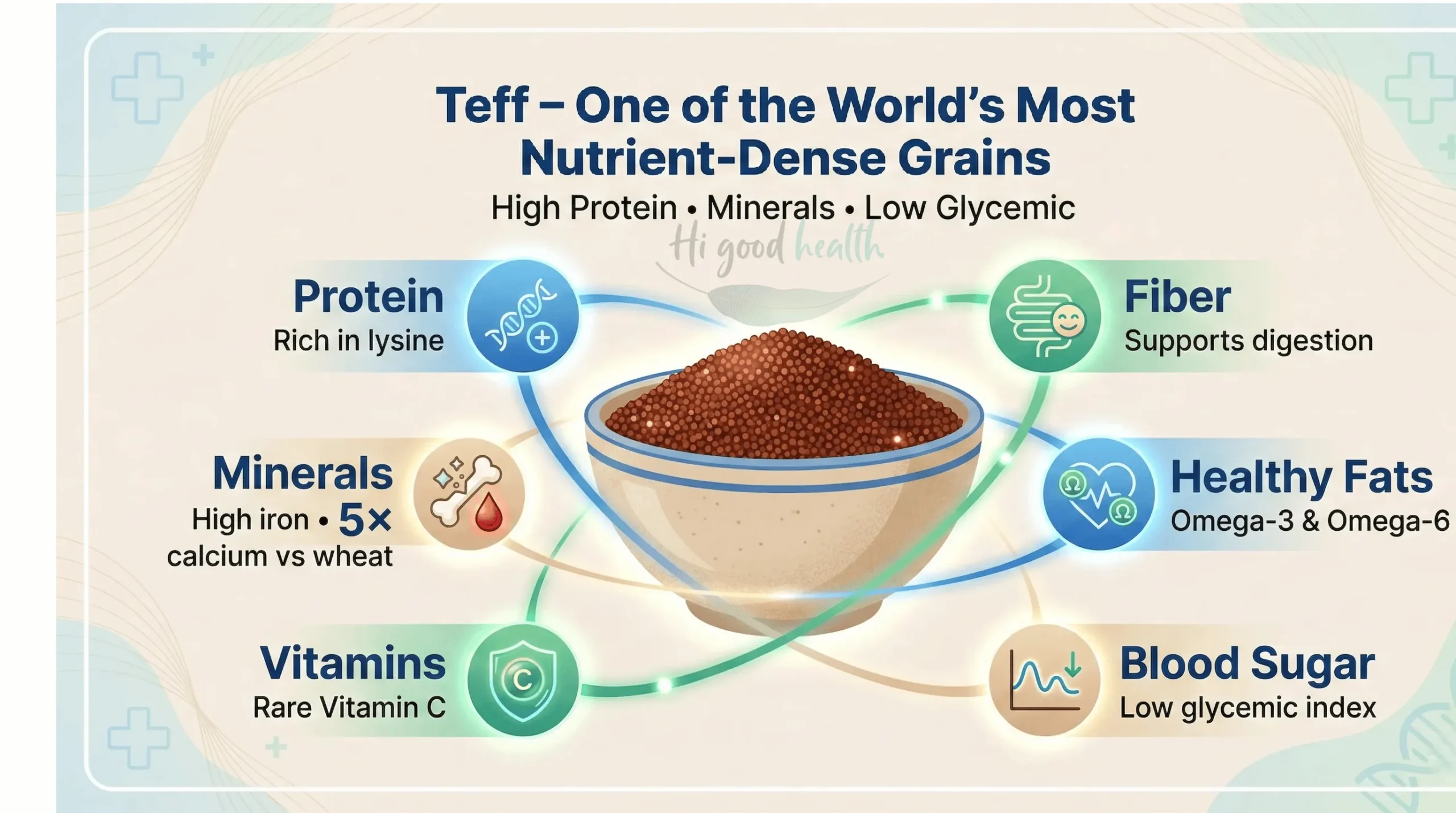
Teff’s nutritional profile is truly remarkable. It’s an excellent source of protein (especially lysine, an essential amino acid often missing in other grains), high in fiber, and rich in essential omega-3 and omega-6 fatty acids. What truly sets teff apart is its exceptional mineral content, boasting much higher levels of iron and five times more calcium than wheat. It’s also a good source of magnesium, manganese, copper, potassium, and phosphorus. Notably, teff is one of the few grains to contain Vitamin C, which is rare in other cereals. Its lower glycemic index helps prevent blood sugar spikes, making it beneficial for managing blood sugar levels and making it a potentially diabetic friendly grain. While a direct causal link to the health of the Ethiopian population and diabetes rates requires more nuanced research, teff’s nutrient density and low glycemic impact certainly contribute to a healthy diet.
How to Incorporate Teff and Other Alternative Grains into Your Diet
Integrating new grains into your diet can be a delicious and rewarding experience.
- Teff: Teff can be cooked like porridge or polenta. Its flour can be used for baking pancakes, waffles, bread, cookies, cakes, and muffins, though it may require a binder like xanthan gum in gluten-free recipes. Traditionally, it’s fermented to make injera, the spongy flatbread central to Ethiopian cuisine. You can also add whole teff grains to veggie burgers, stuffed peppers, pilafs, salads, or mix them into side dishes.
- Other Alternatives: Consider exploring quinoa, buckwheat, amaranth, millet, and sorghum. Each offers unique nutritional benefits and culinary applications. Quinoa is a complete protein, buckwheat is rich in antioxidants, and millet is highly digestible. These are all excellent additions to your grain nutrition plan.

Are These Alternative Grains Available in the US?
Yes, alternative grains like teff are increasingly available in the US. You can typically find them at:
- Health Food Stores: Stores like Whole Foods, Sprouts, and other natural food markets often carry a variety of ancient grains.
- Specialty Ethnic Markets: Ethiopian or African markets are excellent places to find authentic teff grains and teff flour.
- Online Retailers: Websites like Amazon, Thrive Market, and direct-to-consumer grain producers offer a wide selection and can be a convenient option.
When purchasing, look for whole grain varieties to maximize nutritional benefits.
The Future of Grains: Scientific Discoveries for Healthier Consumption
Scientific research continues to shed light on how grains interact with our bodies and how we can optimize their consumption. Advances in food processing are exploring ways to retain more nutrients in refined grains or develop new fortified products. Furthermore, ongoing research into the human microbiome is revealing the crucial role of fiber from whole grains in fostering a healthy gut environment, which impacts everything from digestion to immunity and even mood. Genetic research into grain varieties may also lead to the development of grains with even higher nutritional content or reduced allergenicity in the future.
Grain Comparisons
Table 1: Nutritional Profile Comparison of Common Grains
| Grain Type (Form) | Protein (g) per cup cooked | Fiber (g) per cup cooked | Gluten-Free | Key Micronutrients | Glycemic Index (GI) |
| Wheat (Whole) | ~11-14 | ~10-15 | No | B vitamins, iron, magnesium, zinc | Medium-High |
| Rice (Brown) | ~5 | ~3-5 | Yes | Manganese, selenium, magnesium | Medium |
| Rice (White) | ~4 | <1 | Yes | Often enriched with iron and B vitamins | High |
| Teff | ~10 | ~8 | Yes | Iron, calcium (high), magnesium, copper, Vitamin C | Low |
| Oats (Whole) | ~6 | ~4 | Yes | Beta-glucan (soluble fiber), manganese, phosphorus | Low-Medium |
| Barley (Hulled) | ~6 | ~6 | No | Fiber (beta-glucan), B vitamins, iron, magnesium | Low |
| Quinoa | ~8 | ~5-6 | Yes | All 9 essential amino acids, iron, magnesium, phosphorus | Low-Medium |
| Millet | ~6-12 (varies by type) | ~2-12 (varies by type) | Yes | Phosphorus, magnesium, calcium, B vitamins | Low-Medium |
Note: Nutritional values are approximate for 1 cup cooked and can vary based on variety, preparation, and specific source. “Medium” GI is typically 56-69, “Low” is <55, “High” is >70.
Table 2: Environmental & Usage Comparison of Selected Grains
| Grain Type | Water Requirement | Drought Resistance | Common Forms Consumed | Environmental Impact Notes |
| Wheat | Medium-High | Moderate | Flour for bread, pasta, baked goods; whole grains in dishes | Widespread cultivation can lead to monoculture and pesticide use. |
| Rice | High | Low | Cooked grain, flour for various dishes, noodles | Paddy rice cultivation is a significant source of methane emissions; can absorb arsenic from soil. |
| Teff | Minimal | High | Flour for injera (Ethiopian flatbread), porridge, polenta | Ecologically resilient, good for sustainable agriculture in dry regions. |
| Oats | Moderate | Moderate | Oatmeal, rolled oats in granola, baked goods, cereals | Can be a good cover crop, improving soil health. |
| Barley | Moderate | High | Soups, stews, salads, malt for beverages | Often used in crop rotation for soil health. |
| Rye | Low | Very High | Denser breads, crispbreads, whiskey | Grows well in poor soils, reduces erosion. |
| Quinoa | Low-Medium | High | Cooked grain (like rice), salads, breakfast bowls, flour | Resilient crop, but increased demand has led to some socio-economic and environmental challenges. |
| Millet | Low | Very High | Porridge, cooked grain, flatbreads, birdseed | Excellent for food security in arid regions due to hardiness. |
Conclusion: Making Informed Grain Choices for Optimal Health
Choosing the “best grain” ultimately depends on individual dietary needs, health goals, and preferences. For those with gluten sensitivities or seeking a nutrient powerhouse, teff is an excellent option due to its exceptional mineral content and gluten-free nature. For general consumption, whole wheat and brown rice offer significant health benefits, providing fiber, vitamins, and minerals. The key is to prioritize whole, unprocessed grains over refined varieties and to listen to your body’s response.
Do’s and Don’ts for Healthy Grain Consumption:
Do’s:
- Prioritize Whole Grains: Opt for 100% whole wheat, brown rice, teff, quinoa, and other whole grains to maximize fiber and nutrient intake.
- Read Labels Carefully: Look for “whole grain” as the first ingredient.
- Vary Your Grains: Incorporate a diverse range of grains into your diet to ensure a broader spectrum of nutrients.
- Listen to Your Body: Pay attention to how different grains make you feel. If you experience discomfort, consider exploring grain alternatives.
- Consult a Professional: If you suspect gluten sensitivity or other dietary issues, seek advice from a healthcare provider or registered dietitian.
Don’ts:
- Don’t Rely Heavily on Refined Grains: Limit consumption of white bread, white rice, sugary cereals, and processed pastries that offer limited nutritional value.
- Don’t Ignore Gluten Sensitivity: If you have celiac disease or gluten intolerance, strictly avoid gluten-containing grains.
- Don’t Overlook Cooking Methods: For grains like rice, proper cooking (like rinsing and using excess water) can help reduce potential contaminants like arsenic.
If you prefer a more visual version, check out our YouTube video here:
FAQ Section
Q1: What is the main difference between whole grains and refined grains?
A1: Whole grains contain all three parts of the grain kernel: the bran, germ, and endosperm. This means they retain their natural fiber, vitamins, minerals, and antioxidants. Refined grains have had the bran and germ removed during processing, which strips away many beneficial nutrients, leaving primarily the starchy endosperm.
Q2: Is teff truly gluten-free, and can I use it in gluten-free baking?
A2: Yes, teff is naturally gluten-free. It can be ground into flour and used in gluten-free baking for items like pancakes, waffles, and bread. However, due to the absence of gluten, which provides elasticity, teff flour often requires a binder like xanthan gum to achieve desired textures in gluten-free baked goods.
Q3: How does the glycemic index of teff compare to wheat and rice?
A3: Teff has a lower glycemic index compared to other grains, which helps prevent rapid blood sugar spikes. Whole wheat also helps regulate blood sugar, but refined white rice can cause blood sugar to spike more quickly in some individuals.
Q4: Are there any concerns with arsenic in rice, and how can I minimize exposure?
A4: Yes, rice can absorb arsenic from the soil more readily than other crops. To minimize exposure, you can rinse rice thoroughly before cooking, cook it with a higher water-to-rice ratio (similar to pasta), and drain off the excess water. Varying your grain intake and not relying solely on rice can also help.
Q5: Where can I find teff and other alternative grains?
A5: You can typically find teff and other alternative grains like quinoa, buckwheat, and amaranth at health food stores (e.g., Whole Foods, Sprouts), specialty ethnic markets (especially Ethiopian markets for teff), and through various online retailers.
