
As plant-based lifestyles are becoming more popular , many people are re-evaluating what it truly means to follow a vegan diet. While avoiding meat, dairy, and eggs may seem straightforward, certain foods, like honey and figs often raise questions. Are they genuinely vegan, or do they fall into a grey area? In this blog, we’ll explore the facts, the ethical debates, and everything you need to know to make an informed choice.
Why Isn’t Honey Considered Vegan?
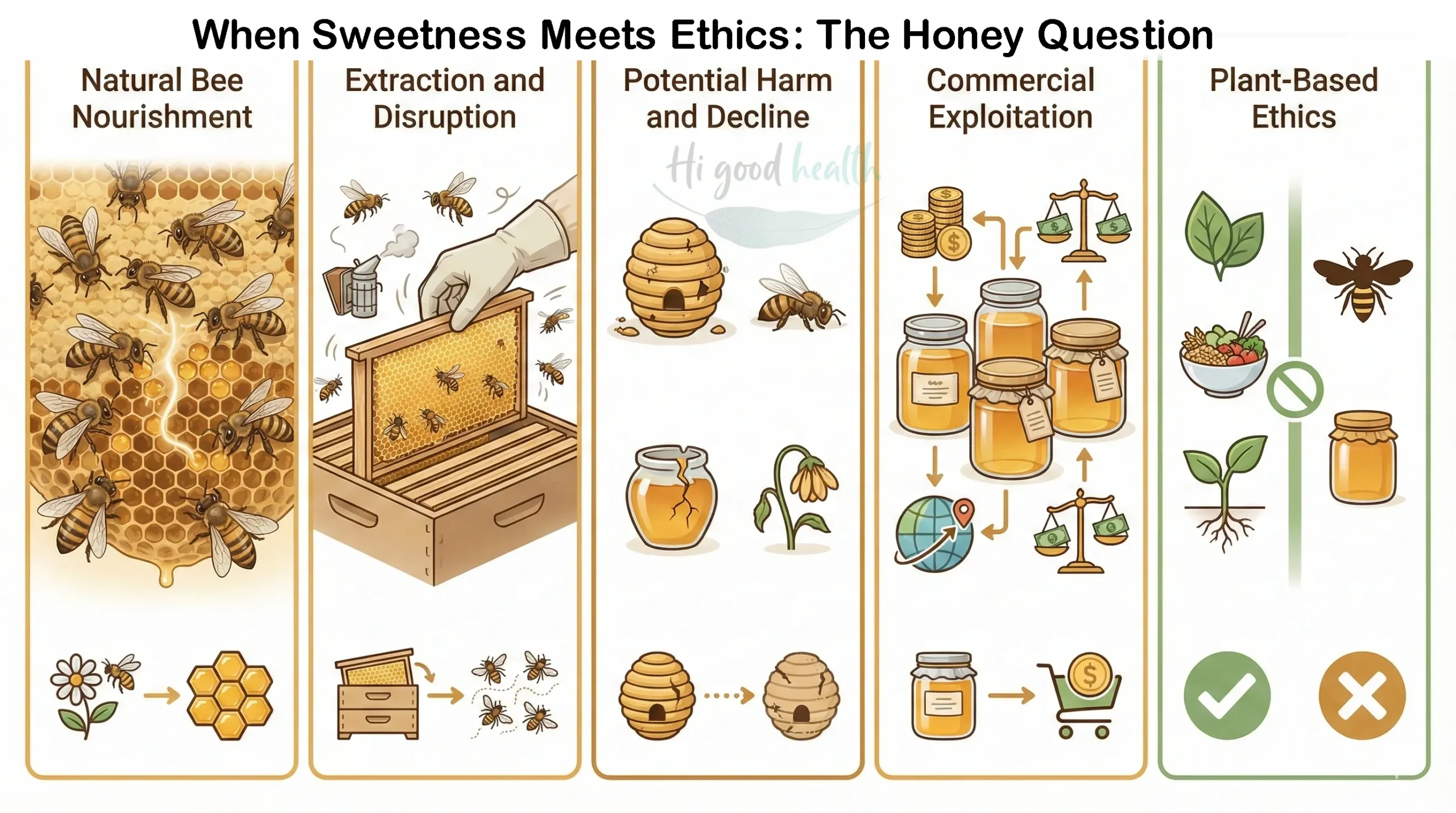
Honey isn’t seen as vegan because it comes from bees, and using it can hurt them.Why honey isn’t considered vegan:
- Bees make honey to feed themselves, not us.
- Taking honey can stress or harm the bees.
- Some beekeepers kill bees when collecting honey.
- It’s about using animals and their work for profit.
- Many vegans avoid anything that involves exploiting animals.
How Is Honey Produced and Why It Matters to Vegans
Honey is made by bees gathering nectar from flowers and turning it into a food source for their colony. However, studies show that commercial honey production often interferes with bees’ natural behaviors. Beekeepers remove honey stores and replace them with sugar substitutes, which lack the nutrients bees need. This weakens colonies and causes stress to the bees. Due to this many vegans choose to avoid honey to stay consistent with their ethical values against animal exploitation.
The Ethical Debate: Bees and Veganism
The core of the vegan lifestyle is avoiding harm to animals. But when it comes to bees, opinions differ. Some argue that honey harvesting exploits and harms bees, while others see it as a sustainable practice. This ethical debate challenges how we define veganism and the treatment of insects in food production.
Vegan Alternatives to Honey You Can Try
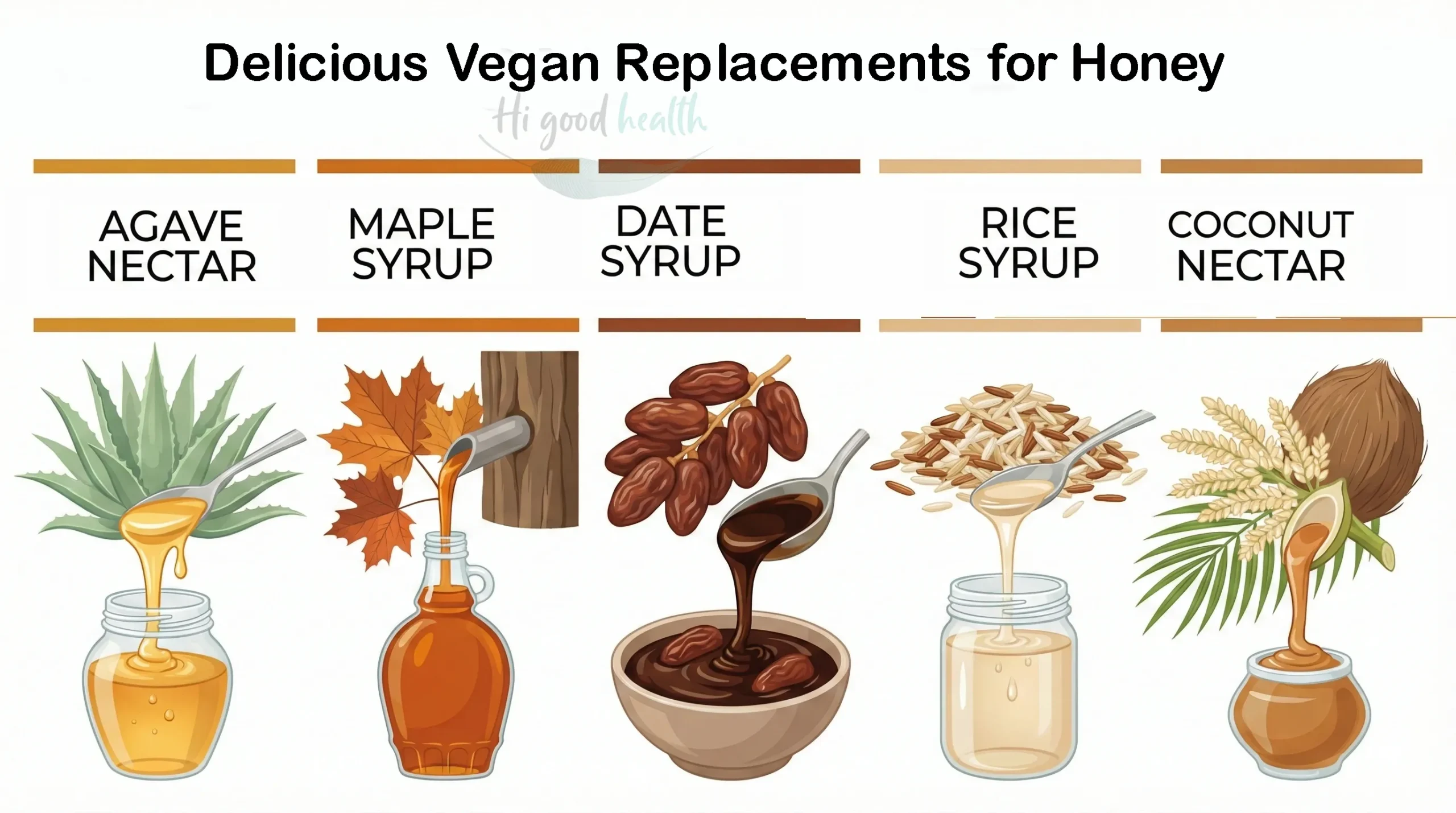
Not all honey is created equal, but from a strict vegan standpoint, most types are considered non-vegan because they involve bees and their labor. However, there are some variations in how honey is produced and sourced that might influence opinions. For those looking to avoid animal products altogether, here are some popular vegan honey alternatives made entirely from plants:
- Agave nectar: A sweet syrup from the agave plant with a mild flavor.
- Maple syrup: Made from the sap of maple trees, rich and flavorful.
- Date syrup: Thick, naturally sweet syrup made from dates.
- Rice syrup: A mild, less sweet syrup made from fermented rice.
- Coconut nectar: Extracted from coconut blossoms, with a subtle caramel taste.
What About Fig Wasps? Why Figs Are Controversial
Figs have a unique pollination relationship with tiny fig wasps, which enter the fruit to lay eggs and pollinate it. This natural process often leads to the wasps dying inside the fig, raising ethical concerns among vegans about whether consuming figs indirectly harms animals.
Do figs really contain wasps?
Some figs are pollinated by “fig wasps” that crawl inside and lay their eggs in the fruit. While these wasps and fig trees need each other to reproduce, scientists believe that they did not always coexist, and that the wasps must have evolved at the same time as the fig trees. The wasp pollinates the fig tree; the tree pollinates the wasp by allowing it to lay its eggs in it.
The female wasp is often stuck inside after entering the tree losing her wings in the process. It will then die in the fig after she loses her wings. Which is why many people think the figs we buy at the supermarket have wasps in them and are hence non-vegan.
Are figs vegan?
The wasp-fig pollination is totally natural.The female will lay eggs in the fig, and then the eggs will crawl to the outside, hatch and grow (exit as a larvae). It actually dies giving birth instead of being consumed alive.
They are both evolved that way (both fig and wasp), so this truly is not something we’d compare to non-veganism or animal cruelty.The wasp also will be digested inside the fig, using an enzyme called ficin, and later help to break down the bodies of the wasps into protein. That has the added advantage of making certain that no human inadvertently ends up eating up the remains of the insect when eating the fruit.
Figs That Don’t Need Wasp Pollination
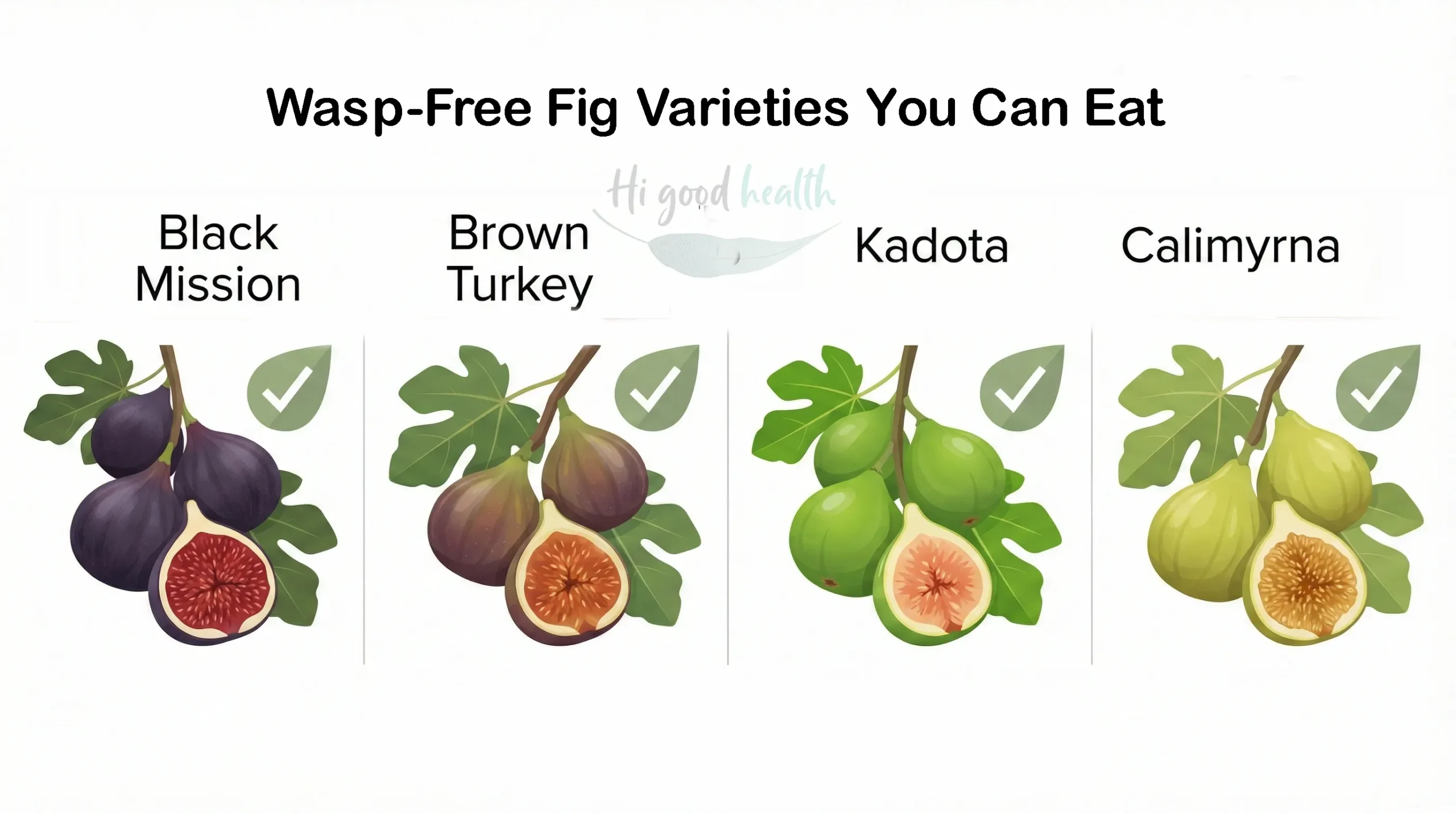
Most common edible figs, like the Ficus carica species, don’t need fig wasps to pollinate them. These figs develop fruit without pollination, a process called parthenocarpy. Popular varieties that don’t rely on wasps include:
- Black Mission: Sweet, dark-skinned figs.
- Brown Turkey: Brownish-purple and tasty.
- Kadota: Green-skinned with sweet flesh.
- Calimyrna: Usually needs pollination, but some versions don’t.
These self-pollinating figs are great for growers, especially in places without fig wasps, because. they produce fruit reliably without needing insects.
If you prefer a more visual version, check out our YouTube video here:
Where can I purchase figs that are free of wasps?
Figs can be bought from plenty of places, such as supermarkets, grocery stores, farmers’ markets, natural food stores, online shopping, and specialty food stores. Fresh figs are generally in season and best enjoyed from late summer through early fall, but dried figs can be enjoyed all year round. As for wasp pollination, the common figs that are sold in most stores are free from
The Real Deal on Honey and Figs for Vegans
So, are honey and figs really vegan? It comes down to how you view veganism and your own personal values. Honey is about bees and their work, and vegans tend to avoid consuming it because of how it affects the bees. Figs, meanwhile, have their own natura relationship with fig wasps, but most common figs don’t actually require wasps to grow, so they’re more vegan-friendly than you’d think. Veganism is not about strict rules , it’s about being compassionate and kind to every creature, both big and small.
